
Indian Sex Dolls — Classical Beauty, Deep Sensuality
Indian beauty — South Asian beauty from the Indian subcontinent — is one of the oldest and most richly documented aesthetic traditions in the world. Centuries of classical literature, sculpture, and art have described and celebrated it in detail: large, intensely expressive eyes, long lustrous black hair, full lips, warm skin in tones ranging from golden to deep brown, and a figure with generous curves and a defined waist. These ideals have persisted across millennia and remain the foundation of one of the most globally recognized and desired aesthetics today — visible in Bollywood, in fashion, and in a growing presence across international beauty culture.
A quick note for our US visitors: Indian here refers to people from India and the South Asian subcontinent — not Native American. If you are looking for Indigenous American-inspired designs, those can be found in our Mixed & Exotic collection.
Browse our full Indian collection below, or use the guide to explore regional aesthetics, features, and body types.
📖 Guide to Indian Sex Dolls
-
Add to cart
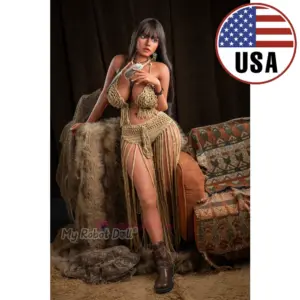
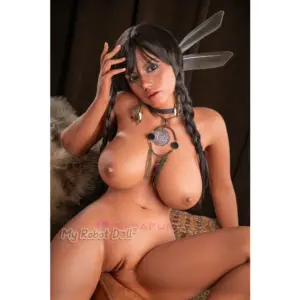
🇺🇸 Sex Doll SG3-Ada SIGAFUN Doll 159cm / 5’3″ – In Stock USA S-TPE
Original price was: $1,360.00.$1,088.00Current price is: $1,088.00.- EUR: 967.88€
- JPY: ¥172,061
- GBP: £813.23
- CAD: CAD$1,529.80
- AUD: AUD$1,553
- NZD: NZ$1,913
- SEK: SEK10,751.93
- ILS: ₪3,361.16
- CHF: 896.99CHF
- DKK: DKK7,235.53
- NOK: NOK10,214.61
- SGD: S$1,388.94
- TRY: ₺55,563.46
- PLN: 4,224.05 zł
- CZK: 23,502.65 Kč
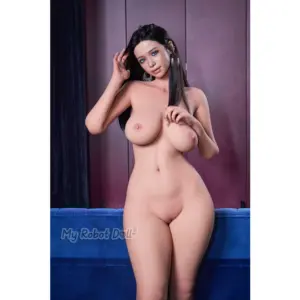
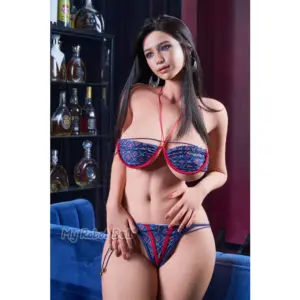
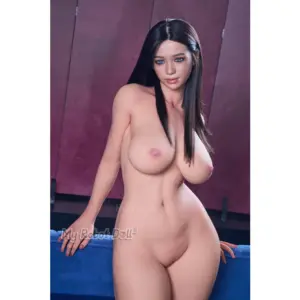
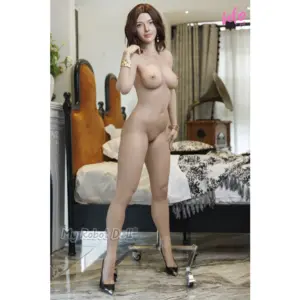
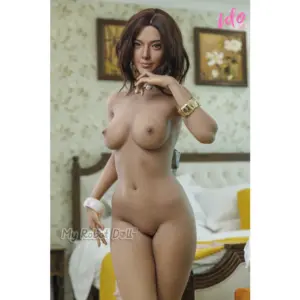
Ada is a 159cm Sigafun doll featuring the SG3 head, a TPE body, silicone head, and dark-tanned coloring. Long dark brown hair and straight bangs frame her brown eyes, defined lashes, subtle cheek shading, and softly colored lips. A full bust, narrow waist, rounded hips, shapely thighs, and long legs form the curving silhouette. Slender arms and carefully sculpted hands complete the smooth, balanced design.
-
Add to cart
🇺🇸 Sex Doll SG3-Ada SIGAFUN Doll 159cm / 5’3″ – In Stock USA TPE
Original price was: $990.00.$792.00Current price is: $792.00.- EUR: 704.56€
- JPY: ¥125,250
- GBP: £591.98
- CAD: CAD$1,113.61
- AUD: AUD$1,130
- NZD: NZ$1,393
- SEK: SEK7,826.77
- ILS: ₪2,446.73
- CHF: 652.96CHF
- DKK: DKK5,267.04
- NOK: NOK7,435.64
- SGD: S$1,011.07
- TRY: ₺40,446.93
- PLN: 3,074.86 zł
- CZK: 17,108.55 Kč
Ada is a 159cm Sigafun doll featuring the SG3 head, a TPE body, silicone head, and dark-tanned coloring. Long dark brown hair and straight bangs frame her brown eyes, defined lashes, subtle cheek shading, and softly colored lips. A full bust, narrow waist, rounded hips, shapely thighs, and long legs form the curving silhouette. Slender arms and carefully sculpted hands complete the smooth, balanced design.
-
Add to cart
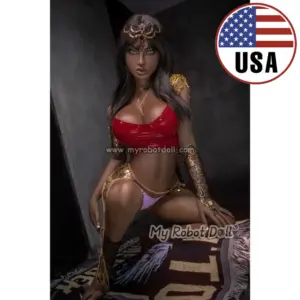
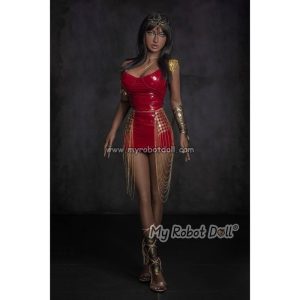
🇺🇸 Sex Doll #47 Aiko Aibei Doll – 148cm / 4’10” – In Stock USA
$649.00- EUR: 577.35€
- JPY: ¥102,635
- GBP: £485.10
- CAD: CAD$912.54
- AUD: AUD$926
- NZD: NZ$1,141
- SEK: SEK6,413.61
- ILS: ₪2,004.96
- CHF: 535.06CHF
- DKK: DKK4,316.04
- NOK: NOK6,093.09
- SGD: S$828.51
- TRY: ₺33,144.01
- PLN: 2,519.68 zł
- CZK: 14,019.50 Kč
Created by Aibei, Aiko delivers a striking visual presence with bold styling and a confident pose that highlights her sculpted proportions. This Exotic Display Figure Model is designed for collectors who value dramatic character expression and premium display aesthetics. Aiko’s detailed finish and balanced silhouette make her ideal for photography, showcase setups, and curated collections, with fast US stock availability ensuring quicker delivery.
-
Add to cart
Sex Doll Head ROS MAX R9-Alodia Real Lady Doll – 159cm / 5’3″
$2,908.00- EUR: 2,586.96€
- JPY: ¥459,883
- GBP: £2,173.58
- CAD: CAD$4,088.85
- AUD: AUD$4,150
- NZD: NZ$5,113
- SEK: SEK28,737.70
- ILS: ₪8,983.68
- CHF: 2,397.47CHF
- DKK: DKK19,339.07
- NOK: NOK27,301.55
- SGD: S$3,712.35
- TRY: ₺148,509.69
- PLN: 11,290.02 zł
- CZK: 62,817.74 Kč
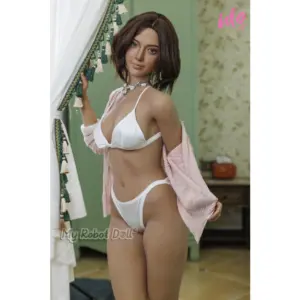
The Real Lady R9 Alodia is a 159cm ROS MAX figure distinguished by her honey-bronze complexion and striking blue eyes. Long black hair surrounds a refined face with softly shaped brows, a slim nose, subtle blush, and gently parted lips. Her silhouette combines long legs, rounded hips, a defined waist, and proportionate arms for a balanced full-body presentation. Carefully finished facial details and a poised expression give Alodia an elegant, confident appearance, while the cohesive sculpting creates a polished look suited to collectors seeking a glamorous Real Lady design.
-
Add to cart
Sex Doll Head ROS MAX R9-Alodia Real Lady Doll – 159cm / 5’3″
$2,908.00- EUR: 2,586.96€
- JPY: ¥459,883
- GBP: £2,173.58
- CAD: CAD$4,088.85
- AUD: AUD$4,150
- NZD: NZ$5,113
- SEK: SEK28,737.70
- ILS: ₪8,983.68
- CHF: 2,397.47CHF
- DKK: DKK19,339.07
- NOK: NOK27,301.55
- SGD: S$3,712.35
- TRY: ₺148,509.69
- PLN: 11,290.02 zł
- CZK: 62,817.74 Kč
The Real Lady R9 Alodia stands 159cm tall and features a warm honey-bronze complexion with smooth, feminine contours. Her long dark hair frames a softly sculpted face accented by vivid blue eyes, defined makeup, a slender nose, and subtly smiling lips. A narrow waist, rounded hips, and proportionate legs create a balanced silhouette. Silver hoop earrings add a polished finishing touch to her presentation. Alodia’s ROS MAX styling and Indian-inspired appearance give this model a poised, expressive look that feels distinctive within the Real Lady collection.
-
Add to cart
Sex Doll ID12H-Sara IDoDoll – 153cm / 5’0″ C-Cup Full Silicone Doll
$2,599.00- EUR: 2,312.07€
- JPY: ¥411,016
- GBP: £1,942.62
- CAD: CAD$3,654.38
- AUD: AUD$3,709
- NZD: NZ$4,570
- SEK: SEK25,684.07
- ILS: ₪8,029.09
- CHF: 2,142.72CHF
- DKK: DKK17,284.13
- NOK: NOK24,400.53
- SGD: S$3,317.88
- TRY: ₺132,729.26
- PLN: 10,090.36 zł
- CZK: 56,142.82 Kč
Standing 153cm tall, IDo Doll ID12H Sara combines a full silicone construction with balanced proportions and a C-cup bust. Her warm complexion is complemented by shoulder-length brown hair, softly defined lips, warm brown eyes, a slender nose, and understated facial shading. Long legs, a gently shaped waist, rounded hips, smooth shoulders, and carefully formed hands and feet create a cohesive silhouette. Sara’s calm expression and refined surface detailing give this IDo Doll model a polished, naturally composed appearance.
-
Add to cart
Sex Doll ID12H-Sara IDoDoll – 153cm / 5’0″ C-Cup Full Silicone Doll
$2,599.00- EUR: 2,312.07€
- JPY: ¥411,016
- GBP: £1,942.62
- CAD: CAD$3,654.38
- AUD: AUD$3,709
- NZD: NZ$4,570
- SEK: SEK25,684.07
- ILS: ₪8,029.09
- CHF: 2,142.72CHF
- DKK: DKK17,284.13
- NOK: NOK24,400.53
- SGD: S$3,317.88
- TRY: ₺132,729.26
- PLN: 10,090.36 zł
- CZK: 56,142.82 Kč
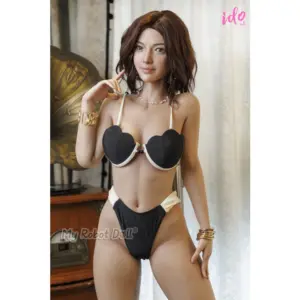
Sara is a 153cm full-silicone IDo Doll combining the ID12H head with a C-cup body. Warm tan coloring, wavy brown hair, almond-shaped eyes, a defined nose, softly shaded cheeks, and gently formed lips shape her appearance. Her silhouette includes rounded shoulders, slender arms, a contoured bust, narrow waist, full hips, shapely thighs, and long legs. Detailed hands and feet, smooth anatomical transitions, and consistent finishing complete the figure.
-
Add to cart
Sex Doll JS063 Galatea GT07 – 166cm / 5’5″ Natural
$1,999.00- EUR: 1,778.31€
- JPY: ¥316,130
- GBP: £1,494.15
- CAD: CAD$2,810.73
- AUD: AUD$2,853
- NZD: NZ$3,515
- SEK: SEK19,754.70
- ILS: ₪6,175.51
- CHF: 1,648.06CHF
- DKK: DKK13,293.95
- NOK: NOK18,767.47
- SGD: S$2,551.92
- TRY: ₺102,087.65
- PLN: 7,760.92 zł
- CZK: 43,181.80 Kč
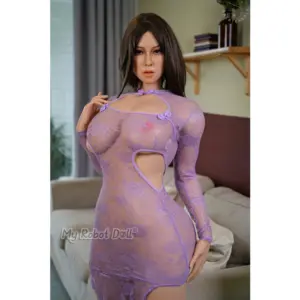
Long dark brown hair frames Galatea JS063 Lira’s face, where defined eyes, soft makeup, shaped lips, and a small forehead accent create a distinctive presentation. The 166cm body is styled in a fitted purple lace dress with sheer sleeves and cutout details that trace the waist and upper body. Metallic shoes add contrast below, while curved hips, smooth leg lines, and balanced proportions strengthen the full-body silhouette. Lira blends detailed lace styling with refined facial features and a polished modern look.
-
Add to cart
Sex Doll JS044 Galatea GT02 – 163cm / 5’4″
$2,100.00- EUR: 1,868.16€
- JPY: ¥332,102
- GBP: £1,569.64
- CAD: CAD$2,952.75
- AUD: AUD$2,997
- NZD: NZ$3,693
- SEK: SEK20,752.81
- ILS: ₪6,487.53
- CHF: 1,731.32CHF
- DKK: DKK13,965.63
- NOK: NOK19,715.70
- SGD: S$2,680.86
- TRY: ₺107,245.65
- PLN: 8,153.04 zł
- CZK: 45,363.57 Kč
-
Add to cart
Male Sex Doll Denzel Doll-Forever – 170cm / 5’7″
$1,550.00- EUR: 1,378.88€
- JPY: ¥245,123
- GBP: £1,158.55
- CAD: CAD$2,179.41
- AUD: AUD$2,212
- NZD: NZ$2,726
- SEK: SEK15,317.55
- ILS: ₪4,788.41
- CHF: 1,277.88CHF
- DKK: DKK10,307.97
- NOK: NOK14,552.07
- SGD: S$1,978.73
- TRY: ₺79,157.51
- PLN: 6,017.72 zł
- CZK: 33,482.63 Kč





What Defines Indian Beauty
Indian beauty has a documented history stretching back to the earliest Sanskrit literature and classical sculpture. The ancient texts are remarkably consistent in what they celebrate — and remarkably modern in their sensibility. Classical descriptions emphasize lotus-petal eyes with dark definition, a narrow waist opening into full hips, a generous bust, long black hair, and full red lips — a figure that combines strength and softness in a way that has no real equivalent in other beauty traditions.
What makes Indian beauty distinct from other South and Southeast Asian aesthetics is the specific combination of facial expressiveness and physical generosity. The eyes are the dominant feature — larger, more dramatically defined, and more emotionally communicative than in East Asian beauty traditions. The body ideals are fuller and more curvaceous than the slender proportions most associated with East Asian aesthetics. The overall effect is a beauty that is warm, direct, and deeply sensual.
North Indian vs. South Indian Aesthetics
India is a subcontinent of extraordinary diversity — over a billion people, dozens of distinct ethnic groups, and regional beauty traditions that differ meaningfully from north to south. Two broad aesthetic families are worth distinguishing.
North Indian
North Indian features reflect centuries of demographic mixing with Central Asian, Persian, and Mughal-era populations — producing a look that tends toward lighter golden to warm medium skin tones, sharper and more angular bone structure, a straighter nose bridge, and eyes that are large but set within a more defined facial frame. This is the aesthetic most visible in mainstream Bollywood cinema and the one most buyers outside India associate with Indian beauty. North Indian-inspired designs in our catalog tend toward tall, slender-to-curvaceous figures with warm golden skin and expressive dark eyes.
South Indian
South Indian beauty is distinct and equally compelling — deeper, richer skin tones ranging from warm brown to deep ebony, softer and more rounded facial features, fuller lips, and a body type that traditionally emphasizes generous curves. Classical South Indian sculpture — among the most explicitly sensual artistic tradition in the world — celebrated full hips, a full bust, and tapering legs as the idealized feminine form. South Indian-inspired designs in our catalog reflect that tradition: deeper skin tones, softer features, and fuller proportions than their North Indian counterparts.
Key Facial Features
Eyes
The defining feature of Indian beauty — and the element most carefully reproduced in the head sculpts in this category. Large, almond-shaped, and intensely expressive, typically dark brown to near-black, with a natural depth that gives the face much of its emotional power. The brow line is strong and well-defined, often with a slight arch that frames the eye dramatically. In classical Indian art, eyes were compared to lotus petals — long, curved, and slightly upturned at the outer corner.
Hair
Long, thick, and near-black — Indian hair is one of the most celebrated physical attributes in the cultural tradition and a consistent feature across all regional variants in our catalog. Most Indian dolls are configured with long straight or gently wavy dark hair, though wavy and loosely curled options are available on select South Indian-inspired models.
Lips & Facial Structure
Full lips with a well-defined shape — described in classical texts as "red as coral" — set within a face that balances strong expressive features with an overall softness of form. North Indian designs tend toward a more angular jawline and defined cheekbones; South Indian designs favor rounder, softer facial contours that give the face a warmer, more approachable quality.
Skin Tones
Indian skin tones span one of the widest ranges of any human-origin category in our catalog — a direct reflection of the subcontinent's enormous geographic and ethnic diversity. We celebrate that full range rather than privileging any single complexion.
Golden & Light Warm
A warm, luminous golden tone most associated with North Indian and Punjabi aesthetics — the complexion most visible in mainstream Bollywood. Pairs naturally with dark eyes and black hair for a high-contrast, visually striking combination.
Warm Medium Brown
The most common skin tone across the Indian subcontinent as a whole — a rich, warm medium brown that has been celebrated in classical Indian art and literature for centuries. Works equally naturally with North and South Indian facial features.
Deep Brown
Most common in South Indian-inspired designs, reflecting the deeper complexions of Tamil, Telugu, Kannada, and Malayali beauty traditions. A deep, rich tone that paired with full features and long black hair creates some of the most striking designs in this category.
Body Types & Proportions
Classical Indian beauty ideals — preserved in sculpture, poetry, and temple art across two millennia — have always celebrated a specific and distinctive body type: generous bust, narrow waist, wide hips, and full thighs. This is not a modern or Western-influenced ideal — it is arguably the oldest documented feminine beauty standard in the world, and it remains the dominant configuration in our Indian collection.
Classical Hourglass
The most requested body type in this category and the one most directly rooted in the classical Indian aesthetic tradition — full bust, defined waist, generous hips, and full thighs. These figures are sculpted with particular attention to waist-to-hip ratio, which is the proportional element most precisely defined in Indian classical art.
Slender & Tall
A leaner figure more associated with contemporary North Indian and Bollywood aesthetics — tall, with a defined waist and moderate curves. This configuration reflects the influence of modern fashion and media on Indian beauty standards alongside the classical tradition.
Full-Figured
Generous proportions across bust, waist, and hips — the body type most associated with South Indian aesthetics and with the classical sculptural tradition. Some of the most precisely sculpted and detailed figures in this category fall into this configuration.