

How to Use Sex Doll Care Tools: A Step-by-Step Guide
Keeping a doll clean, safe, and realistic over the long term has less to do with which accessories you own and more to do with how to use sex doll care tools in the right order, with the right timing and technique. Most owners rinse the cavity but never dry it fully. They apply lubricant only at the entrance. They heat before drying instead of after. Those small shortcuts compound into bigger problems: sticky skin, trapped moisture, odor, dye staining, and microtears inside the tunnels.
This guide covers care end to end — lubrication, cleaning, drying, heating, maintenance, storage, and repair — with step-by-step instructions, timings, and the reasoning behind each step, so you understand the method rather than just following a checklist.
New to dolls entirely? It helps to know your material first — jump to TPE vs silicone, or skim the quick-reference table to see which tool handles each task.
The Correct Order to Use Your Care Tools
A consistent order prevents the most common issues: internal odor, mold, tacky TPE skin, and early internal wear. The steps below repeat throughout this guide.
- Lubricate (before use): coat the full length of the tunnel, not just the entrance.
- Clean (after use): flush the internal cavities with a dedicated tool.
- Dry (after cleaning): absorption → airflow → controlled heat, in that order.
- Surface care: dry the outer skin with a press-and-lift motion, never friction rubbing.
- Store: a neutral posture plus a protective barrier keeps both hygiene and joints safe.
Before First Use: New-Doll Odor and White Powder
Two things are common on unboxing — neither is a defect. Knowing the cause makes your first cleaning faster.
- A faint odor on arrival. Medical-grade TPE off-gasses mildly while sealed in airtight film during shipping. Air the doll out in a cool, well-ventilated space for a few hours, then wash with mild soap and lukewarm water — the smell clears quickly. A light non-alcoholic body mist can follow. Never use alcohol-based products; they dry out and degrade TPE over time. (Silicone off-gasses far less, so a new silicone doll usually has little to no smell.)
- White powder on the skin. Manufacturers coat TPE generously with renewal powder so the skin stays smooth and non-tacky in storage and transit. Surface oil and powder can blend on the way, creating localized white patches. This is cosmetic only. Clean with antibacterial soap and lukewarm water, pat dry with a soft towel, then fully air-dry before use. The removable vagina insert is coated the same way. (Silicone is not powder-coated this way and won’t show it.)
- Always clean before first use. Whether or not you see powder or notice a smell, a pre-use cleaning pass is a hygiene baseline — not optional.
TPE vs Silicone: Why Your Doll’s Material Changes Everything
Almost every care decision — which lube, which cleaner, which repair kit, whether to use powder — depends on what your doll is made of. The two common materials behave very differently, so confirm yours before buying or applying anything. If you’re unsure, check your order confirmation or product documentation.
TPE (Thermoplastic Elastomer)
Soft, affordable, and very realistic to the touch — but more porous. That porosity is the reason TPE absorbs dye from dark fabrics, holds moisture if not dried properly, and needs renewal powder and periodic oiling to stay supple. Use water-based lube only, and never alcohol-based cleaners.
Silicone
Firmer, less porous, more heat- and stain-resistant, and easier to sanitize — at a higher price. Silicone generally does not need renewal powder, and it requires silicone-specific repair compounds (TPE glue will not bond to it). Always confirm lube and powder compatibility before applying.
Quick-Reference: Which Tool for Which Task
A one-screen summary of the full routine. Each row links to the detailed, step-by-step section below.
This quick-reference table scrolls horizontally on small screens.
| Task | Primary tool | When | Key point |
|---|---|---|---|
| Lubrication | Lube applicator | Before each use | Coat the full tunnel from back to front — water-based lube only |
| Cleaning | Internal cavity cleaner + microfiber towel | After each use | 45–60 sec flush per cavity, then a clean-water rinse |
| Drying | Tunnel dryer → airflow dryer → heating rod | After cleaning | Absorption → airflow → controlled heat, in that order |
| Heating | Heating rod / blanket / UV rod | Before use (pre-warm) | Lowest effective setting; unplug and remove before use |
| Maintenance | Renewal powder, sprayer, lint roller, oil | After washing | Oil → fully dry → thin, invisible powder layer (TPE) |
| Storage | Carrying mat, standing mat, barrier sheet | Between sessions | Neutral posture, no dyed fabrics, fully dry, ventilated |
| Repair | TPE glue / silicone kit / stain cream | As needed (early!) | Treat small issues early; match the kit to the material |
Example: A Complete Sex Doll Cleaning Routine (Start to Finish)
Before we get into each tool in detail, here’s how a real after-use session actually flows — so you have the full picture first. The whole routine is just three moves, and most of the clock is the doll drying on its own while you do something else. Every step below has its own in-depth section further down the page.
How to Use a Lube Applicator (Before Every Use)
Lubrication protects the tunnel lining from friction microtears, makes post-use cleaning faster, and extends the material’s usable life. The lube type matters as much as the amount — and how you apply it matters most. The single change owners say transformed their experience is usually one technique: coating the entire cavity correctly instead of only the opening.
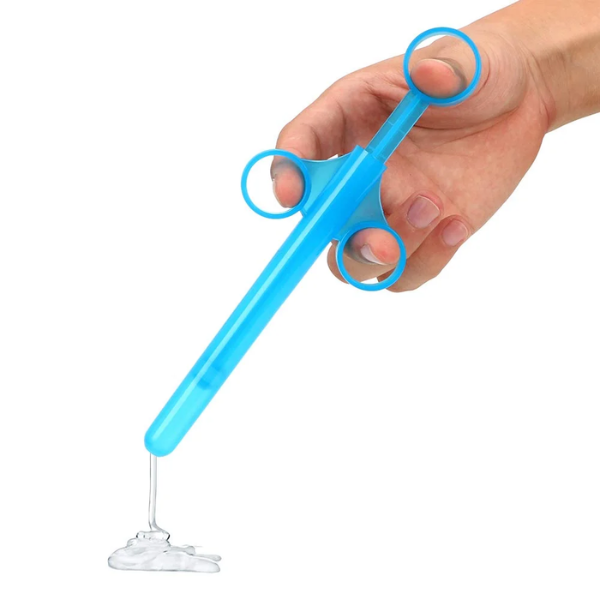
Syringe-style applicator that deposits lubricant deep inside the cavity so the entire tunnel gets coated evenly.
Shop Lube Applicator →How to Use the Lube Applicator (Full Technique)
- Draw the lubricant fully. Pull the plunger back and fill the applicator from your lube bottle. For a full-length cavity, fill it completely. As a baseline, one full applicator per session is a safer starting point than “a little bit” — under-lubrication is a leading cause of internal microtears that shorten lifespan.
- Insert to the far end before dispensing. Slide the tip carefully to the deepest point before you press the plunger. The idea is to start deep and dispense while withdrawing, distributing lube from back to front so the whole interior is coated — not just the first few centimeters.
- Apply slowly and steadily as you withdraw. Match plunger speed to withdrawal speed. Too fast leaves uncoated sections and pooling; too slow concentrates lube in one spot. A smooth, continuous motion coats every wall evenly.
- Add a little at the entrance separately. The deep pass handles most of the tunnel, but the opening benefits from a small extra amount once the deep pass is done.
- Reapply as needed. Water-based lube can thin as it warms. If resistance increases, reload and reapply. The risk isn’t over-lubrication — it’s friction.
Pre-Use Sterilization and Warming
Before you lube, a UV germicidal heating rod sterilizes the cavity and pre-warms it for a more realistic feel — both in one step.
- Insert the UV rod 15–20 minutes before use. The UV cycle sterilizes the tunnel interior while the heat brings it to a comfortable temperature.
- Unplug and remove completely before applying lube. Never use the doll with the rod still inside.
- Never look directly at the UV light. Insert fully before powering on; unplug before removal.
- Then apply lube via the applicator as described above.
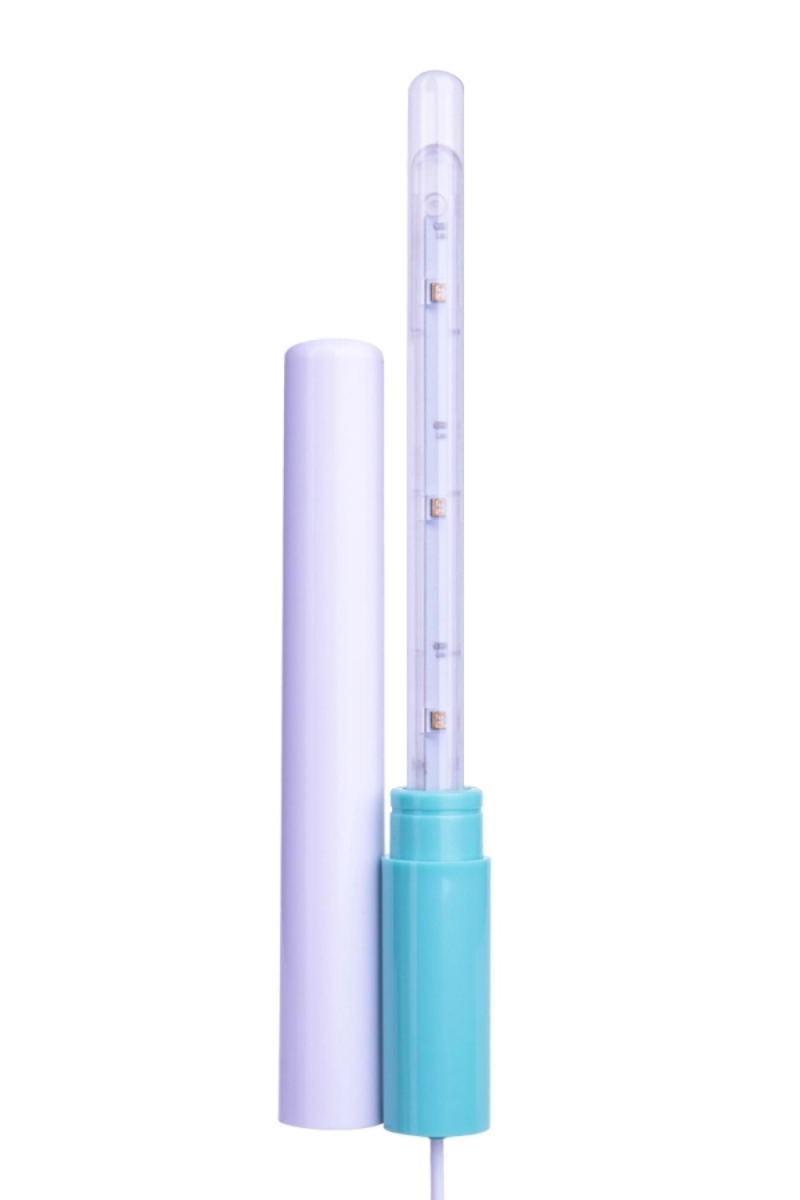
UV sterilization plus pre-warm in one pass before every session. Insert 15–20 minutes before use; unplug and remove before applying lube.
Shop UV Rod →How to Clean Your Doll After Every Use
Internal cavities can’t be reached by hand, so without dedicated tools residue builds up in the tunnel walls no matter how thoroughly you rinse. The habit that matters: clean immediately after use, then move straight to drying — don’t let a wet cavity sit. Want to see it all in sequence first? Jump to the start-to-finish routine, or see the full Complete Cleaning Set with a link to each tool.
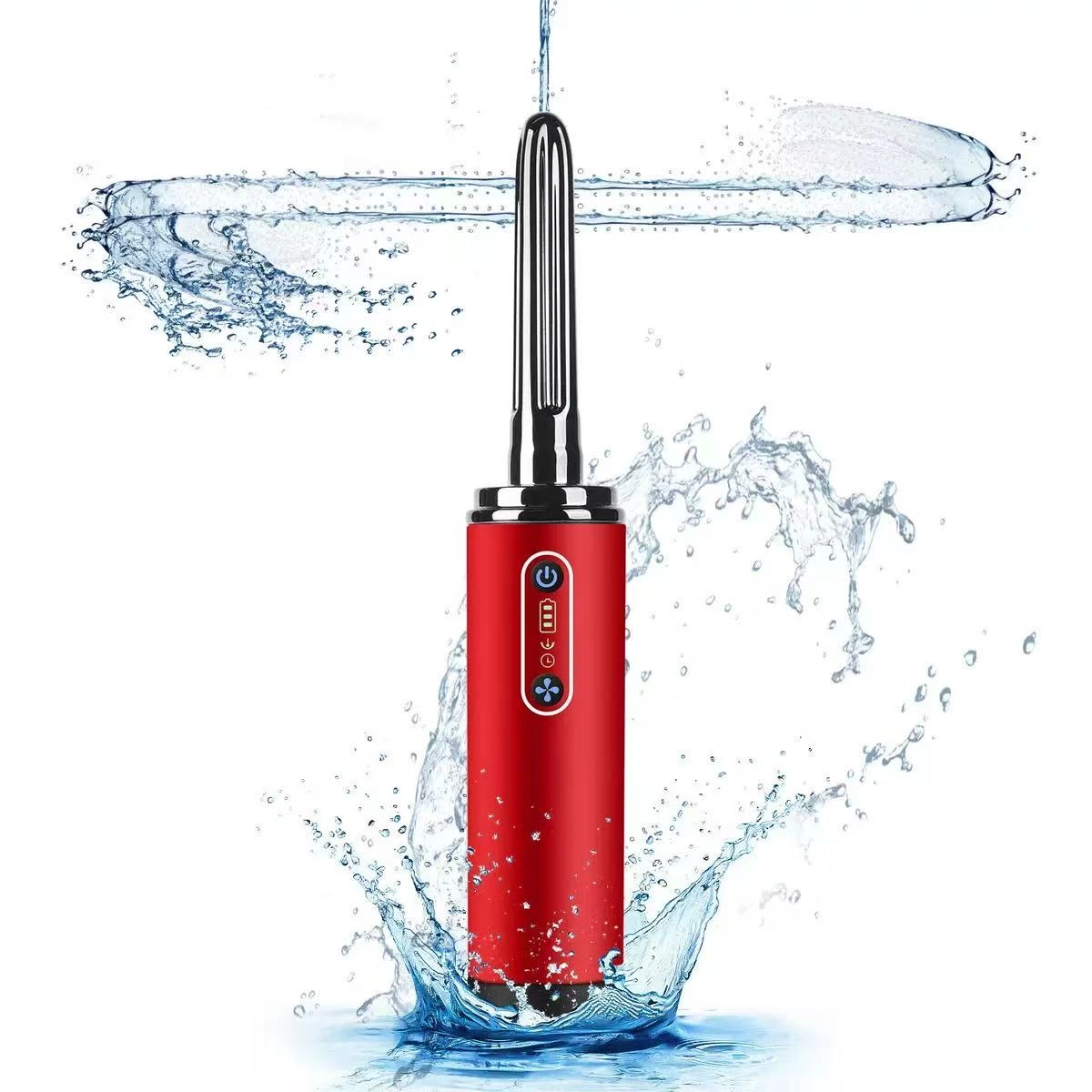
Continuous-flow internal cleaner designed to flush cavity walls more evenly than basic squeeze bottles.
Shop HydraClean 360™ →
Wipe down outer skin while residue is still wet so oils don’t bond to the surface.
Shop Microfiber Towel →How to Use the HydraClean 360™ (Internal Cavity Wash)
- Prepare your solution. Fill a bottle (500ml+ recommended) with warm water and a few drops of mild, fragrance-free soap. Warm water loosens residue; very hot water can stress adhesives and coatings over time. If you use a different cleaning solution, patch-test on the leg cross-section first.
- Position the doll for flow. Lay it flat or slightly reclined so the opening is accessible and water flows in and back out cleanly. Avoid positions where water pools at the entrance.
- Insert fully and run a steady pass. Keep continuous flow so water contacts as much of the tunnel wall as possible. A 45–60 second pass per cavity is a good baseline; rushing leaves residue trapped in textures.
- Finish with a clean-water rinse. Switch to clean water for a 20–30 second pass to remove soap film that could otherwise linger and affect drying.
- Finish the deepest section by hand. Flushing cleans the entrance and the reachable length of the tunnel thoroughly, but the very end is the hardest spot for water flow alone to reach completely. Finish it with a clean, damp cloth or a wet paper towel — wrapped around a soft, blunt applicator if you need a little length — and wipe gently. Never use anything sharp or rigid that could nick the lining.
- Stand the doll upright to drain. Before you start drying, hold or stand the doll upright for a minute so gravity pulls the bulk of the rinse water back out of the cavity. Draining first means the absorption and airflow steps have far less moisture to remove — the whole routine ends up faster and more thorough.
- Move immediately to drying. Don’t leave a wet cavity to “air dry.” Drying is its own process with its own tools and timing.
How to Use the Microfiber Towel (Surface Cleaning)
- Wipe immediately after use. Wet residue lifts easily; dried residue bonds and may need repeated washing.
- Use light, straight strokes. Skip aggressive circular rubbing — gentle strokes remove residue without adding friction wear.
- Focus on creases. Underarms, groin junction, knees, elbows, neck folds — the first places residue and moisture hide.
- Rotate towel sections. A saturated towel smears instead of lifting; move to a clean, dry section as you work.
Why Dolls Get Stained — and How to Handle It
TPE’s porosity makes it prone to absorbing dye from dark clothing, especially when the material is warm. Prevention is far easier than removal, and early treatment makes all the difference.
- Prevent first. Avoid dark or non-colorfast fabrics directly against TPE skin. If dark clothing is unavoidable, wash it several times first to shed loose surface dye, and keep sharp objects away that could scratch while staining.
- Treat early. Fresh dye transfer responds far better than set-in staining. Apply stain removal cream as soon as you notice discoloration.
- Mild staining: apply cream, let it sit as directed, wipe gently — usually one cycle resolves it.
- Moderate staining: repeat 2–3 cycles; the cream gradually draws dye to the surface.
- Severe staining: multiple cycles over several days. Very prolonged dark-fabric contact may leave a faint permanent mark — which is why prevention wins.
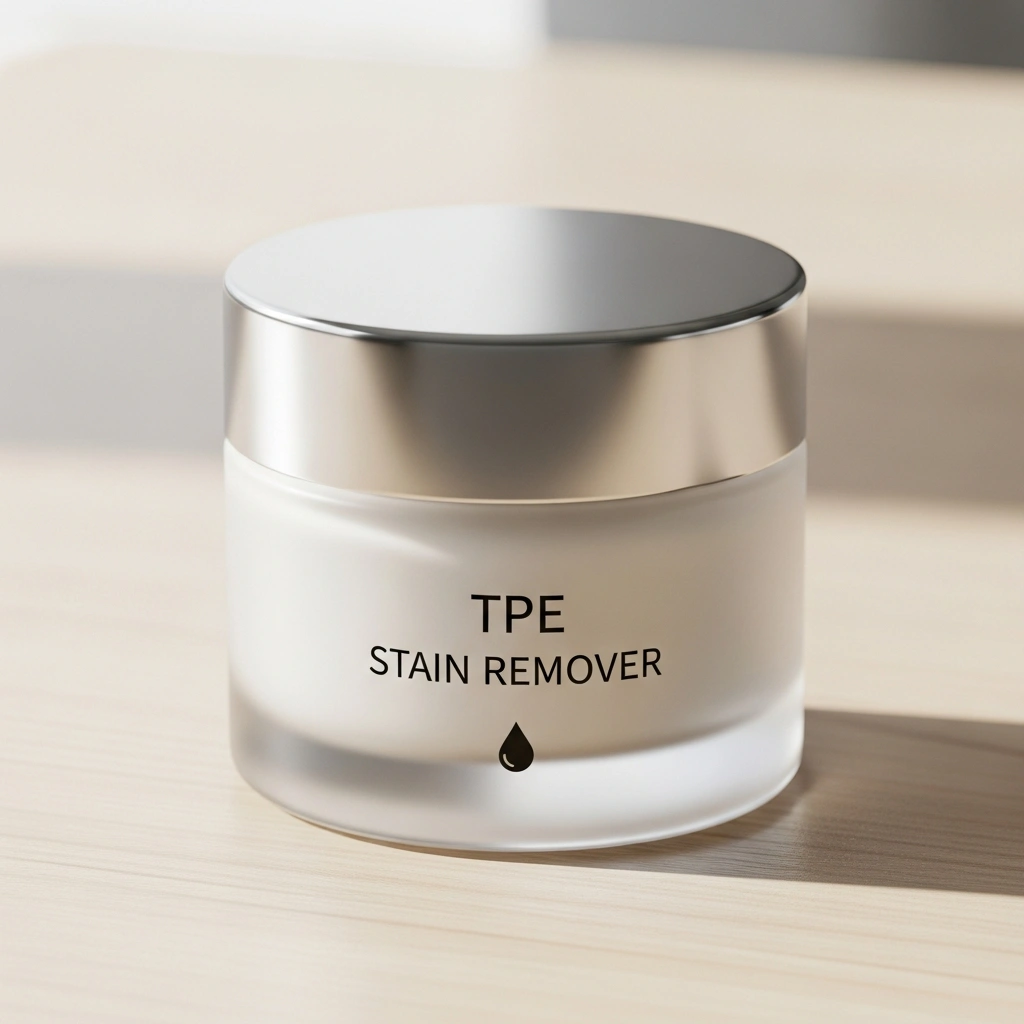
Formulated for TPE dye-transfer stains. Most effective applied early; deep or set-in stains may need multiple cycles.
Shop Stain Cream →How to Dry Your Doll: The 3-Step Sequence
Drying is where most owners cut corners — and where most damage starts. Moisture trapped in a closed cavity can cause odor and mold quickly. The reliable method is: remove bulk moisture first (absorption), evaporate what’s left (airflow), then eliminate trace moisture and gently pre-warm (controlled heat). Skip any step and you undermine the ones before it.
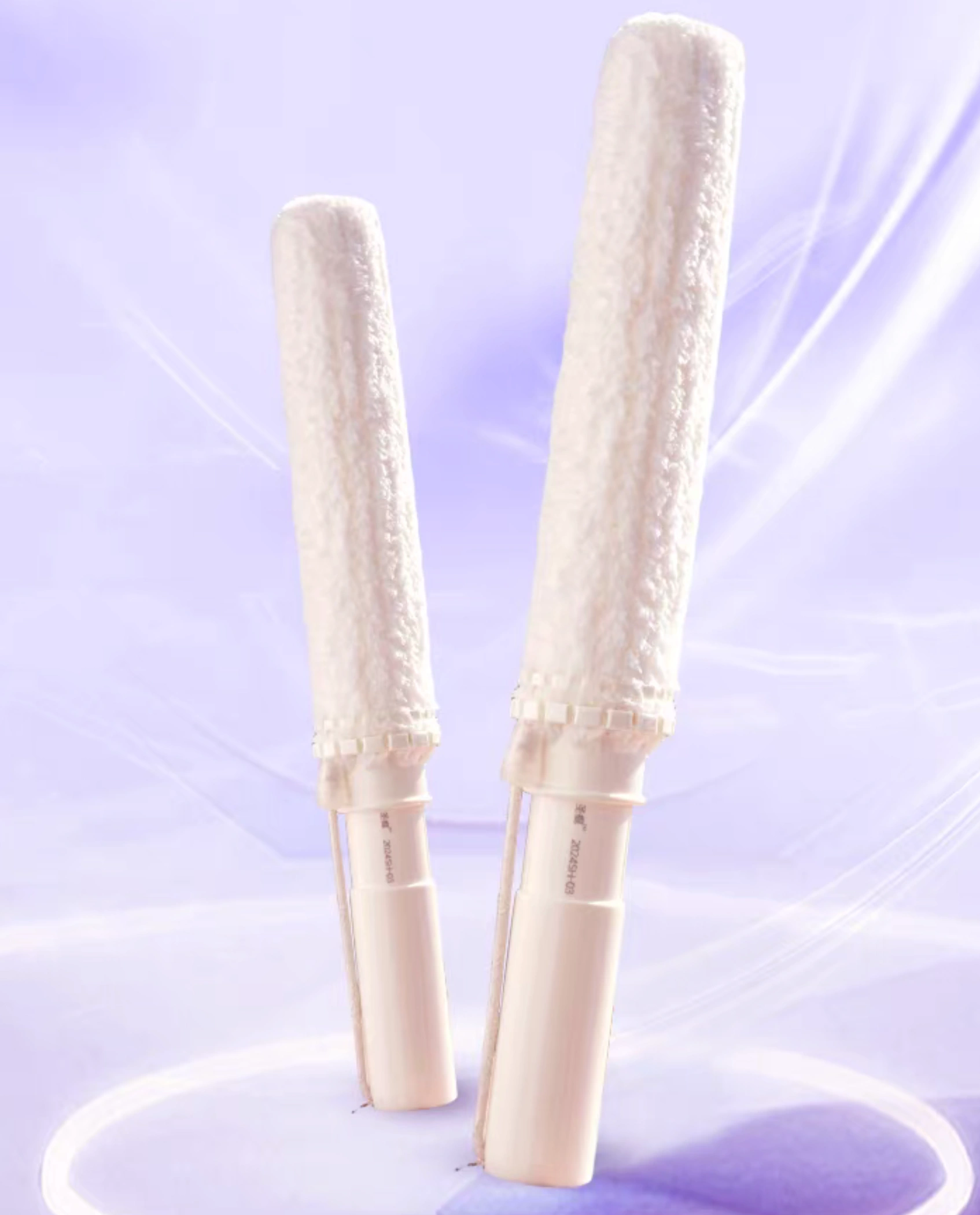
Absorption-first tool that wicks (draws up) moisture from the tunnel wall via capillary action. Insert to the end and gently squeeze the stomach/lower-back to press it against the walls — works on TPE and silicone; just give TPE more time.
Shop MicroFlock Dryer →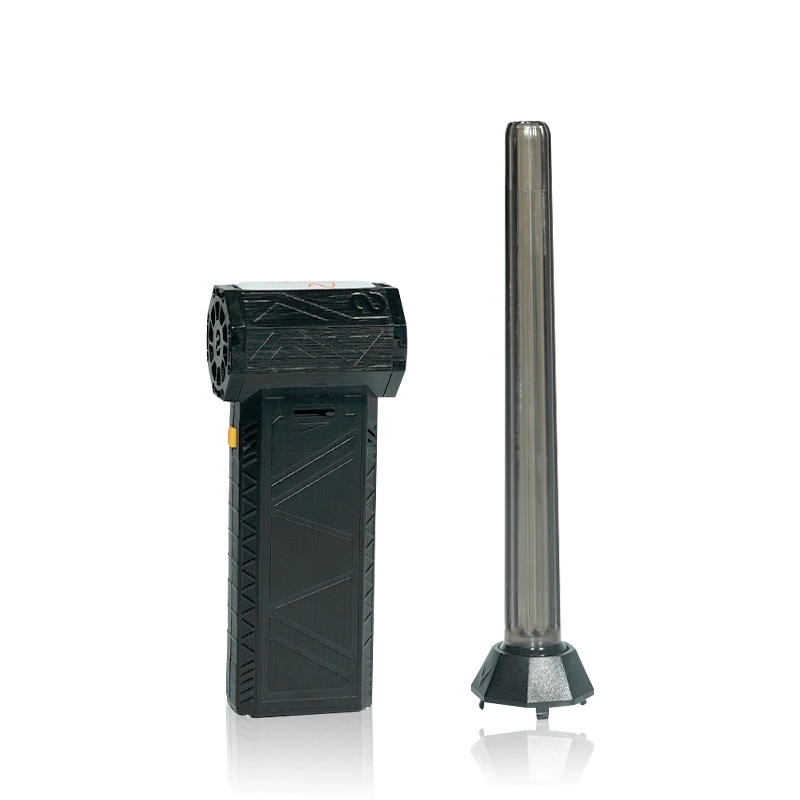
Powered airflow that evaporates what absorption leaves behind, reaching areas the rod can’t fully contact.
Shop Internal Dryer →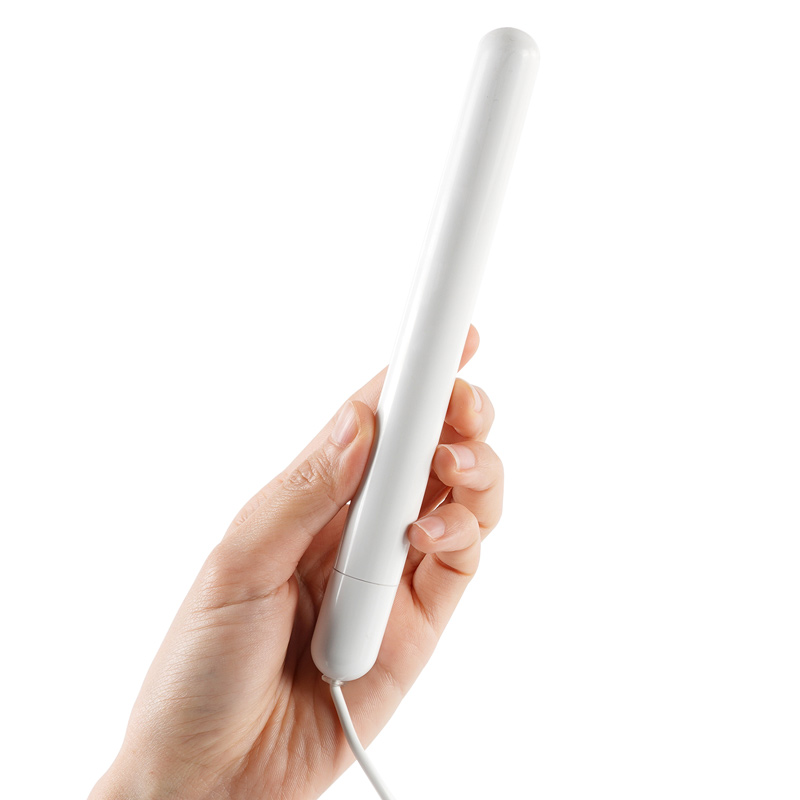
Controlled heat that evaporates trace moisture and brings the cavity to a comfortable pre-warm temperature.
Shop ThermaCore™ →Step 1 of 3: MicroFlock Tunnel Dryer (Absorption)
- Stand the doll upright right after cleaning. Gravity is part of the mechanism: upright positioning lets water run down so the rod absorbs efficiently. If upright isn’t possible, choose the most drainage-friendly posture you can.
- Insert the rod fully. Full insertion ensures the entire tunnel length contacts the absorbent surface; partial insertion leaves deep sections damp.
- Make even contact — pressing works better than forcing a turn. A slow 360° turn helps the absorbent surface meet all the tunnel walls, but if the fit is snug and it won’t rotate easily, don’t force it — a stiff turn can stress the tunnel. Instead, gently squeeze the stomach and lower-back areas a few times to press the absorbent surface against the walls. This squeeze method works on both TPE and silicone, and it’s the easier, safer way to make full contact in a tight tunnel.
- Give it time to absorb — how long depends on the material. Absorption is migration: water transfers into the rod over time. Silicone is far less porous and dries quickly, so with the squeeze method about 2–3 minutes is usually enough. Porous TPE holds more moisture, so give it longer — up to around 20 minutes.
- Remove and move to airflow drying. Rinse the rod under cool water, gently wring, and air-dry; avoid harsh detergents. Never leave the drying stick inside overnight — a saturated rod in an enclosed space is an ideal mold environment. Swap in a fresh stick if the first saturates quickly.
Step 2 of 3: Internal Drying Device (Airflow)
- Remove the MicroFlock rod first. Airflow needs an open tunnel. Insert the dryer nozzle and make sure air can circulate and exit.
- Keep the doll upright if possible. Upright posture helps humid air exit rather than lingering at the opening.
- Run 10–15 minutes. In humid climates, extend to 20. The goal is the surface-level moisture left after absorption.
- Test dryness before moving on. Check the entrance and early tunnel depth — if it feels cool and damp, run another 5 minutes.
- Proceed straight to the heating rod. Controlled heat finishes the job by targeting trace moisture.
Step 3 of 3: ThermaCore™ Heating Rod (Final Dry + Pre-warm)
- Insert only after airflow drying is complete. Heat is the finishing step, not the first one — that’s what makes the routine reliable.
- Run 15–20 minutes at a body-safe temperature. This evaporates trace moisture airflow can miss, especially deep in the tunnel.
- You can leave it in until just before use. Remove right before use, then unplug and store the rod safely.
What to Do if Your Doll Develops Mold
Mold inside the tunnel almost always comes from one failure: moisture left in a closed, warm space long enough for spores to grow. Good drying prevents it reliably — but if it appears, act immediately.
- Clean immediately after every use — the longer residue sits in a warm, closed tunnel, the faster growth begins.
- Follow the full 3-step drying sequence every session, no exceptions.
- Never leave a drying stick inside overnight or for extended periods.
- Store in a ventilated area — not in an airtight case while the doll is still warm from use.
- If you find visible mold: stop use immediately. Even after removing surface mold, invisible spores often remain embedded in porous TPE. A moldy tunnel is not safe to use.
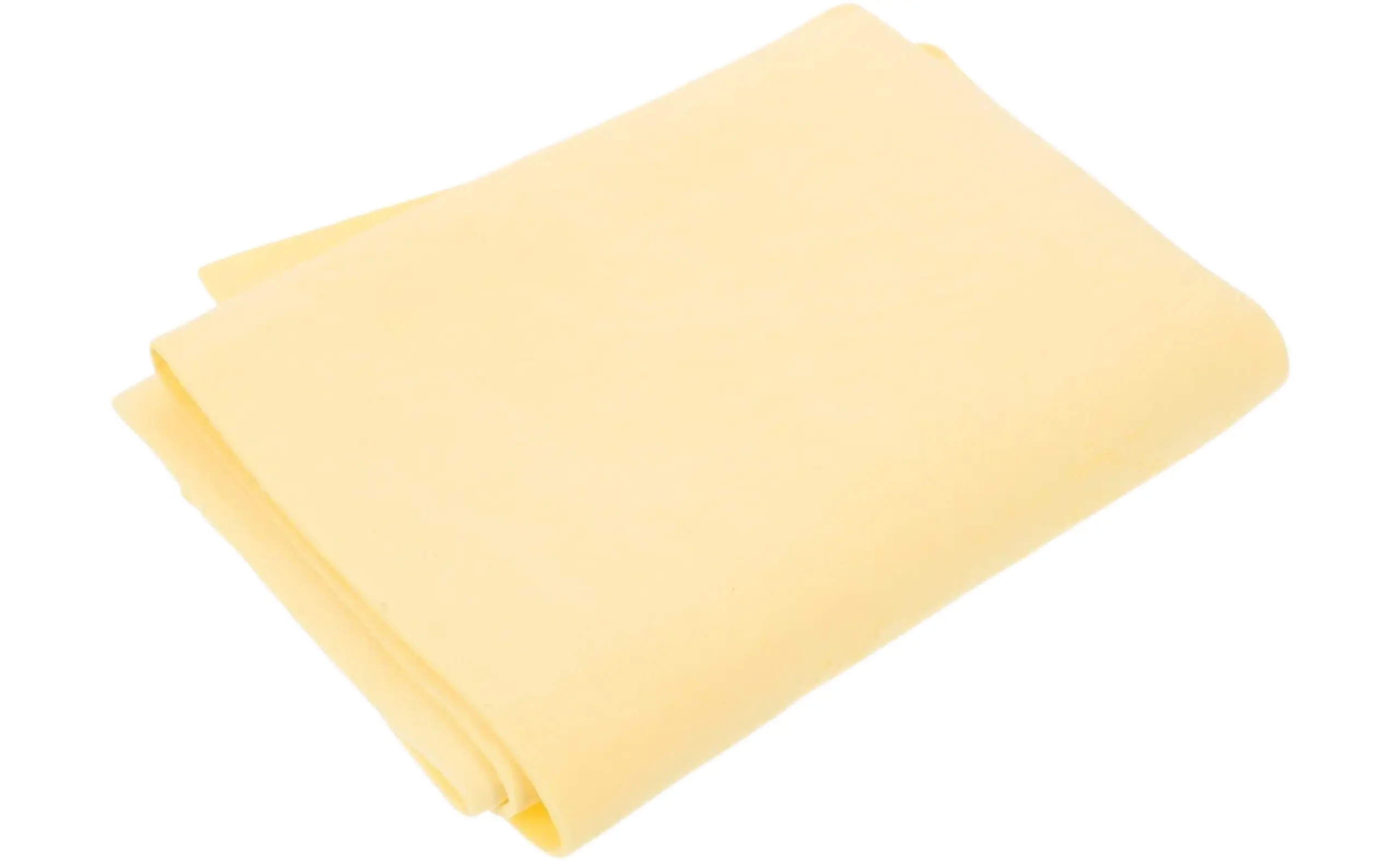
Microsuede towel designed for press-and-lift drying to reduce friction and preserve surface texture.
Shop Suede Towel →How to Use the Suede Absorbent Towel (Press and Lift)
- Start while the surface is still wet. Towels wick best when moisture is present; wait too long and you’re only chasing a thin film.
- Use press → pause → lift. Press flat, pause about a second to let capillary wicking work, then lift. Repeat across overlapping sections.
- Be intentional with creases. Underarms, groin junction, knee backs, neck folds — press gently into the fold without hard rubbing.
- Allow air time before powdering. After toweling, give 30–60 minutes so micro-texture moisture evaporates fully. Check creases last; they hold moisture longest.
- Maintain the towel. Rinse in cool water, gently wring, hang dry. Skip fabric softener — it clogs the fibers.
The Complete Sex Doll Cleaning Set
Buying these one at a time is how people end up missing a step — usually the drying tools. Here is the full set the routine above calls for (clean → dry the surface → dry the excess). Each tool is listed separately below, so you can add exactly what you need.
Everything the routine above calls for, matched to work together. Suitable for both TPE and silicone dolls. Add each one from its own product page:
- HydraClean 360™ — internal cavity cleaner (the “clean” step)
- Microfiber Drying Towel — wet-residue surface wipe (dry with cloths)
- Suede Absorbent Towel — press-and-lift surface dry
- MicroFlock Tunnel Dryer — absorption (dry the excess · step 1)
- Internal Drying Device — powered airflow (step 2)
- ThermaCore™ Heating Rod — final dry + pre-warm (step 3)
How to Use Heating Tools (Pre-warm + Hygiene Options)
Heating tools improve comfort and realism, but they need to be used correctly: controlled temperature, limited time, and never left unattended for long. In the full routine, heat also doubles as the final drying step.
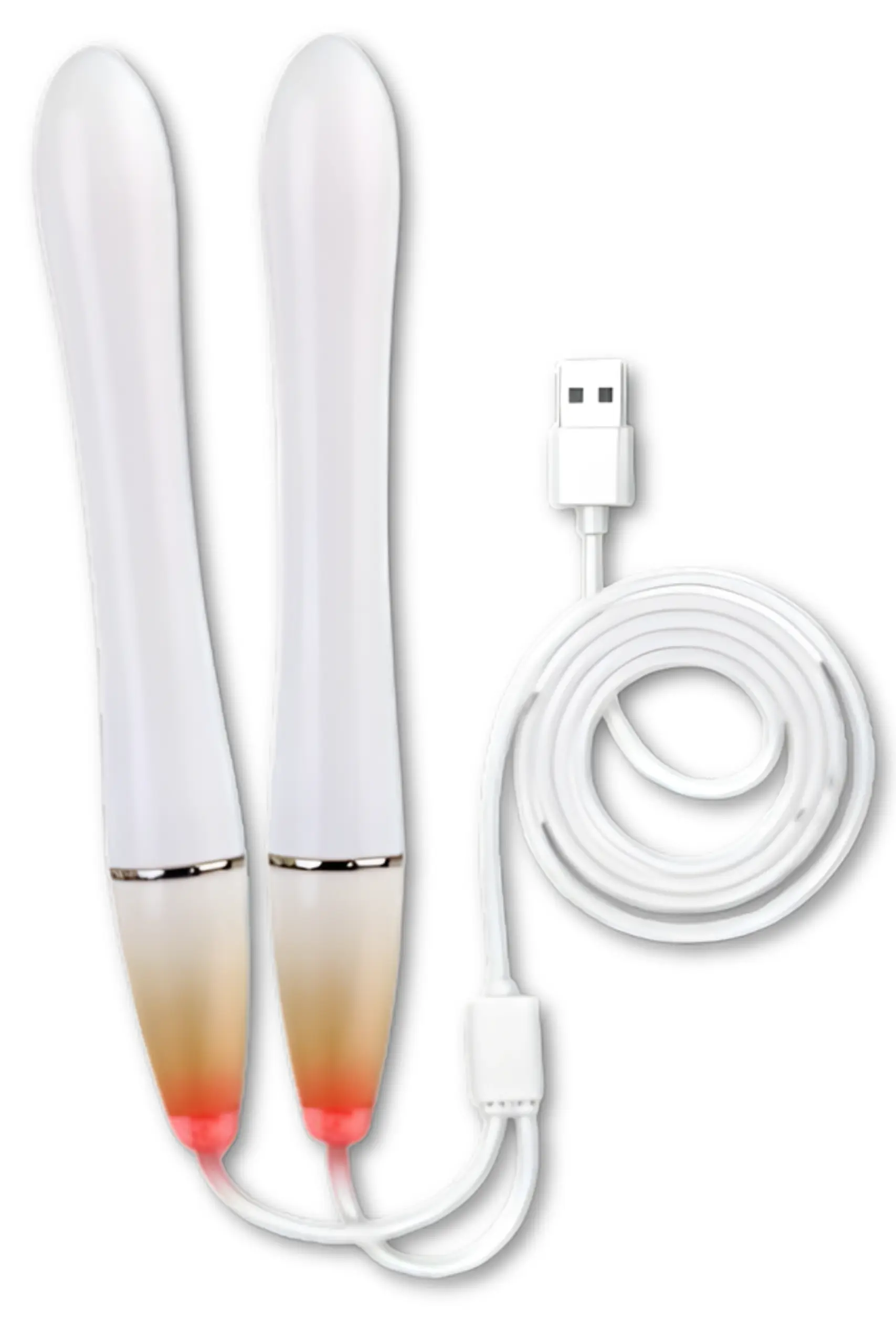
Warm two cavities at once from a single USB connection (after full cleaning + drying).
Shop Double Head Rod →UV sterilization plus heat in one. Use before each session as a pre-warm, or weekly after a full clean + dry for an added sterilization cycle.
Shop UV Rod →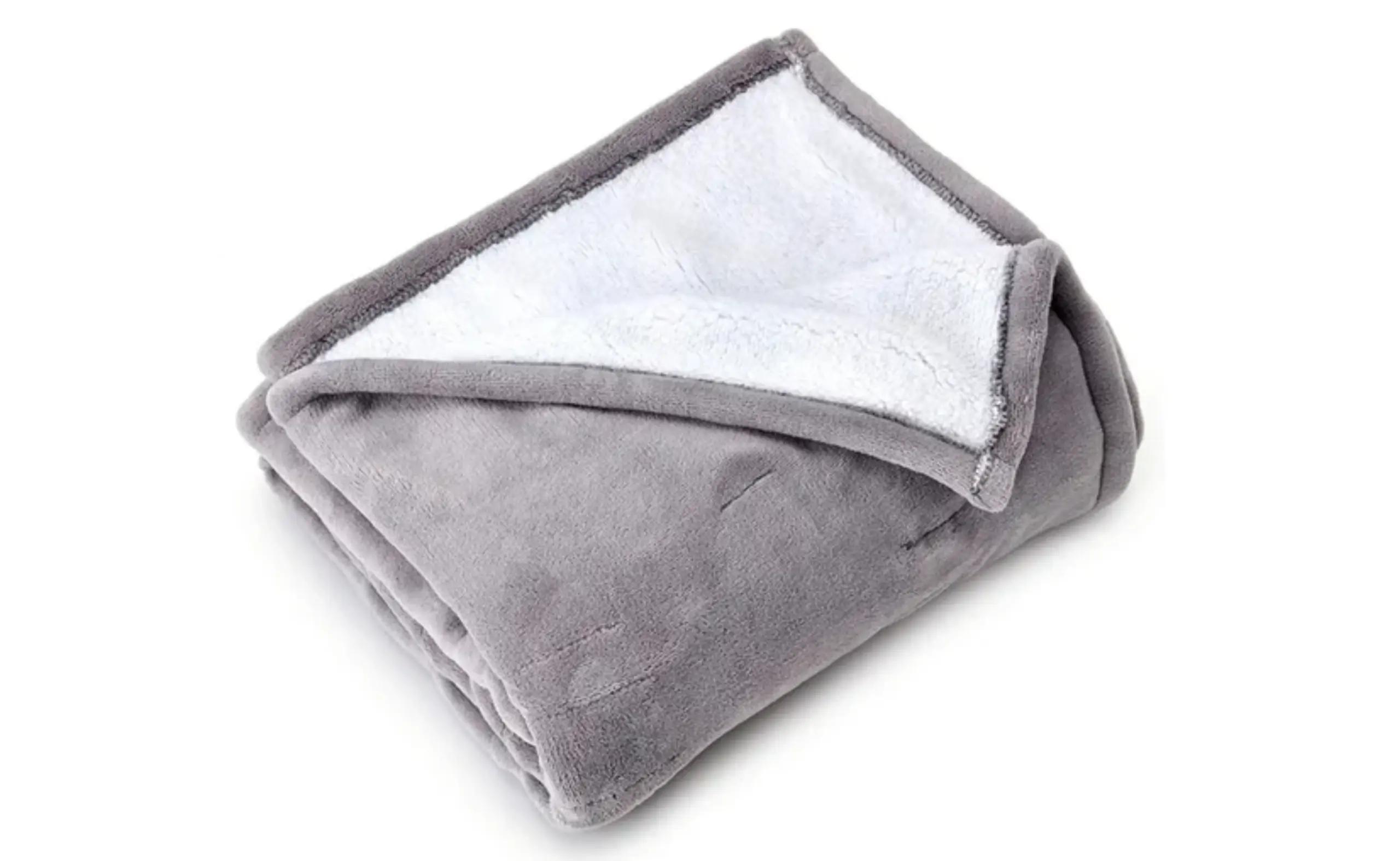
Even outer-body warming while internal tools warm the cavities (use a relaxed, neutral posture).
Shop Heating Blanket →How to Use the Heating Blanket (Full-Body Warmth)
- Lay the doll in a neutral position before wrapping. Face up, limbs relaxed, joints not under tension. Avoid tight seated or heavily bent poses while heating.
- Wrap with contact, not compression. Heat transfers through contact — wrap so it touches the skin evenly, but don’t compress joints or create pressure points.
- Use the lowest effective setting for 20–30 minutes. The goal is warm and supple, not hot. When unsure, use less heat for longer rather than high heat quickly.
- Unplug and remove before use. Continuous heat during use can concentrate at pressure points; keep it to pre-warm only.
How to Maintain and Refresh the Skin
Between-session maintenance keeps skin realistic, reduces lint attraction, and prevents tackiness — especially on TPE. This is where owners notice the biggest texture difference over time.
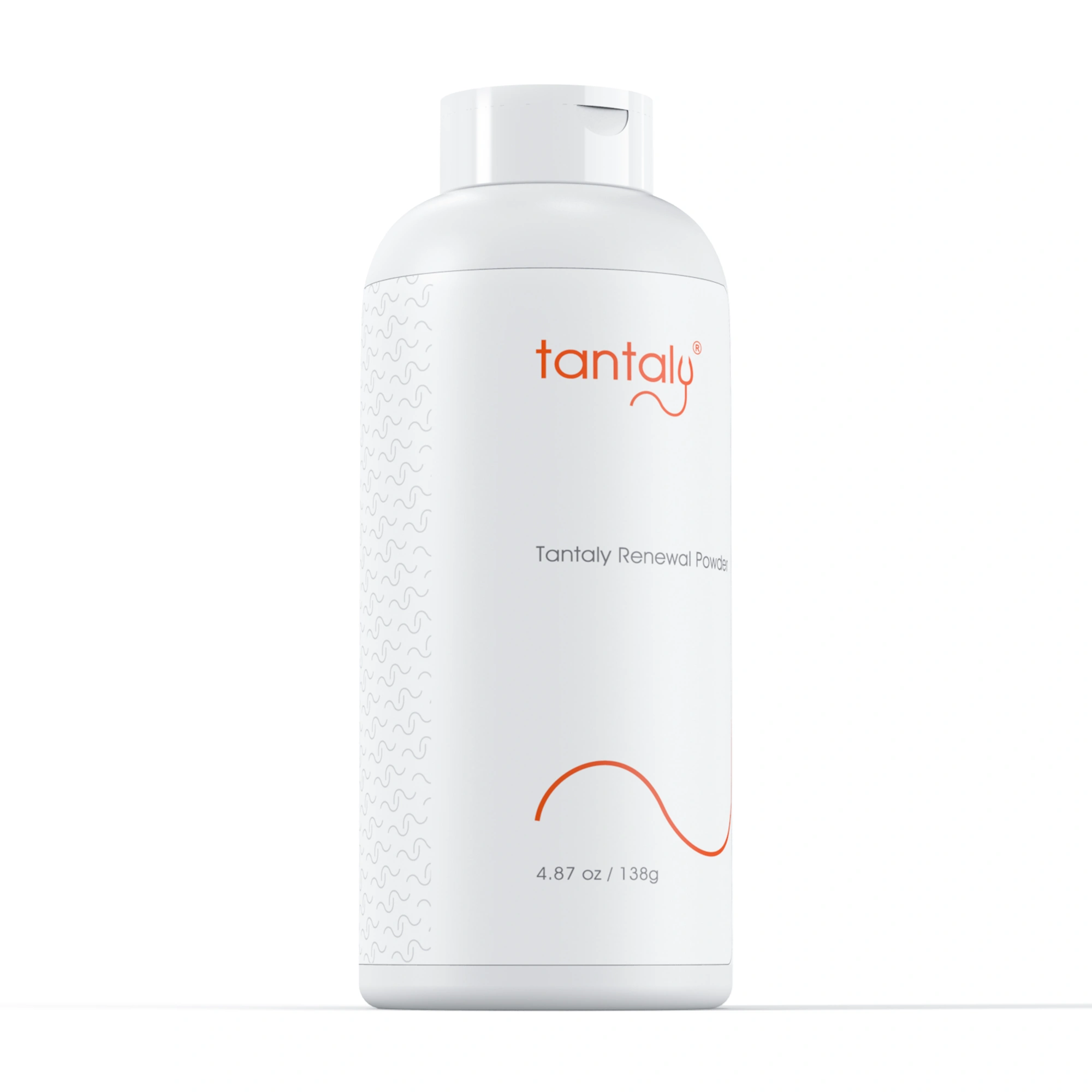
Protective powder finish for TPE skin after washing (apply only when fully dry).
Shop Renewal Powder →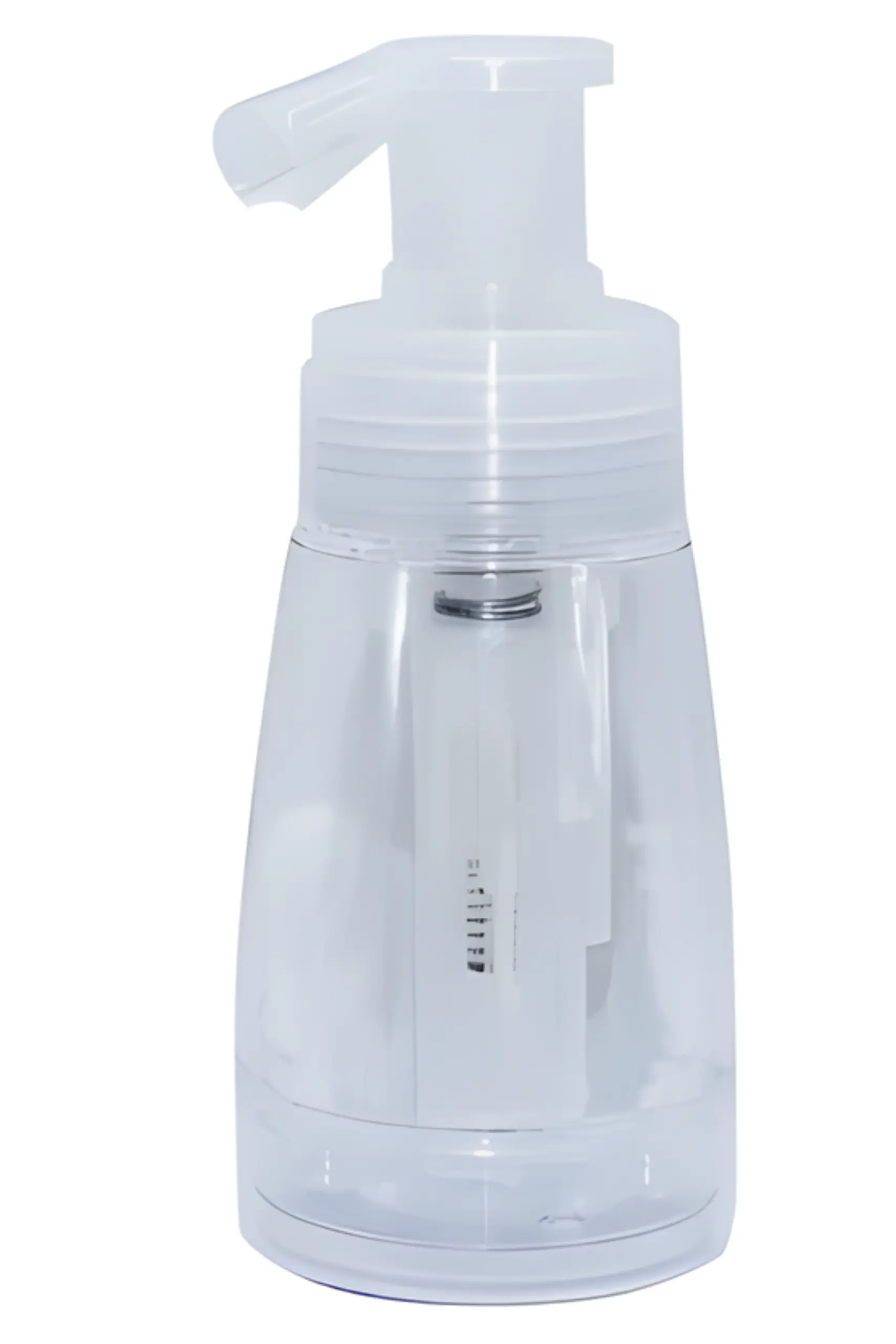
Distributes powder in a fine mist for even coverage across curves and creases.
Shop Powder Sprayer →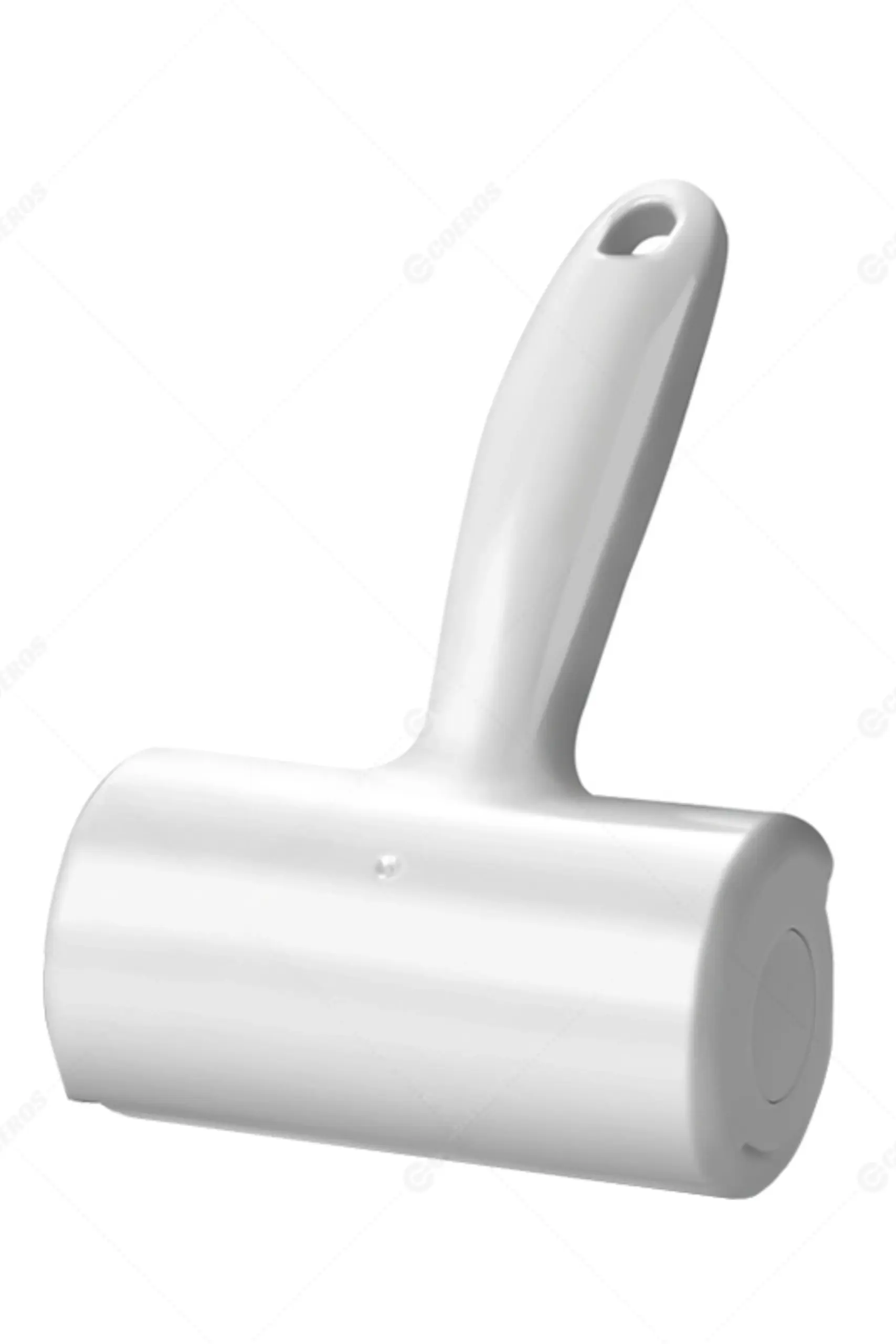
Removes lint and hair before powdering so debris doesn’t get trapped under the finish.
Shop Hair Roller →How to Apply Renewal Powder (A Finish, Not a Visible Coat)
- Oil the skin first (after every wash). Apply baby oil or mineral oil — without silicone-based ingredients — in multiple thin layers, letting each absorb before the next. This restores the material’s natural oil balance, slows surface oxidation, and keeps skin elastic and peel-free. Once it’s completely dry again, move to powder.
- Wait until completely dry before powdering. Powder on damp skin clumps and traps moisture. After toweling and oiling, allow 30–60 minutes of air time. Check creases last — they hold moisture longest.
- Remove debris before powdering. Do a quick lint-roller pass first; rolling after powdering removes the finish you just applied.
- Apply a light, invisible layer. If you can see white powder, it’s too much. The best result looks unchanged but feels smoother and less tacky.
- Give creases and high-flex zones extra attention. Elbows, knees, underarms, neck folds, groin junction compress and lose coating first.
- Refresh between washes if needed. A light refresh keeps texture consistent, especially in dusty environments.
What to Do if the Skin Starts Peeling
Peeling is a maintenance issue, not a defect. It happens when repeated washing — especially with harsh soaps — strips surface oil faster than the material replenishes it. The skin dries, loses elasticity, and peels. The fix is the same as the prevention: restore the oil layer.
- Dry the affected area completely first. Oil on damp skin won’t absorb properly and just sits on the surface.
- Apply baby oil or mineral oil in thin layers, multiple times. Work it gently in and let each coat absorb fully before reapplying. Several thin applications beat one thick coat every time.
- Let it fully absorb in a well-ventilated area. Don’t rush to powder — let the material stabilize.
- Apply renewal powder once completely dry to seal and finish the recovery. The powder creates the protective layer that prevents recurrence.
How to Store and Handle Your Doll (Protect Joints + Hygiene)
Storage is long-term damage prevention. A doll left in a compressed pose for weeks can develop position memory or joint stress. Handling tools make movement safer and reduce strain on weaker connection points.
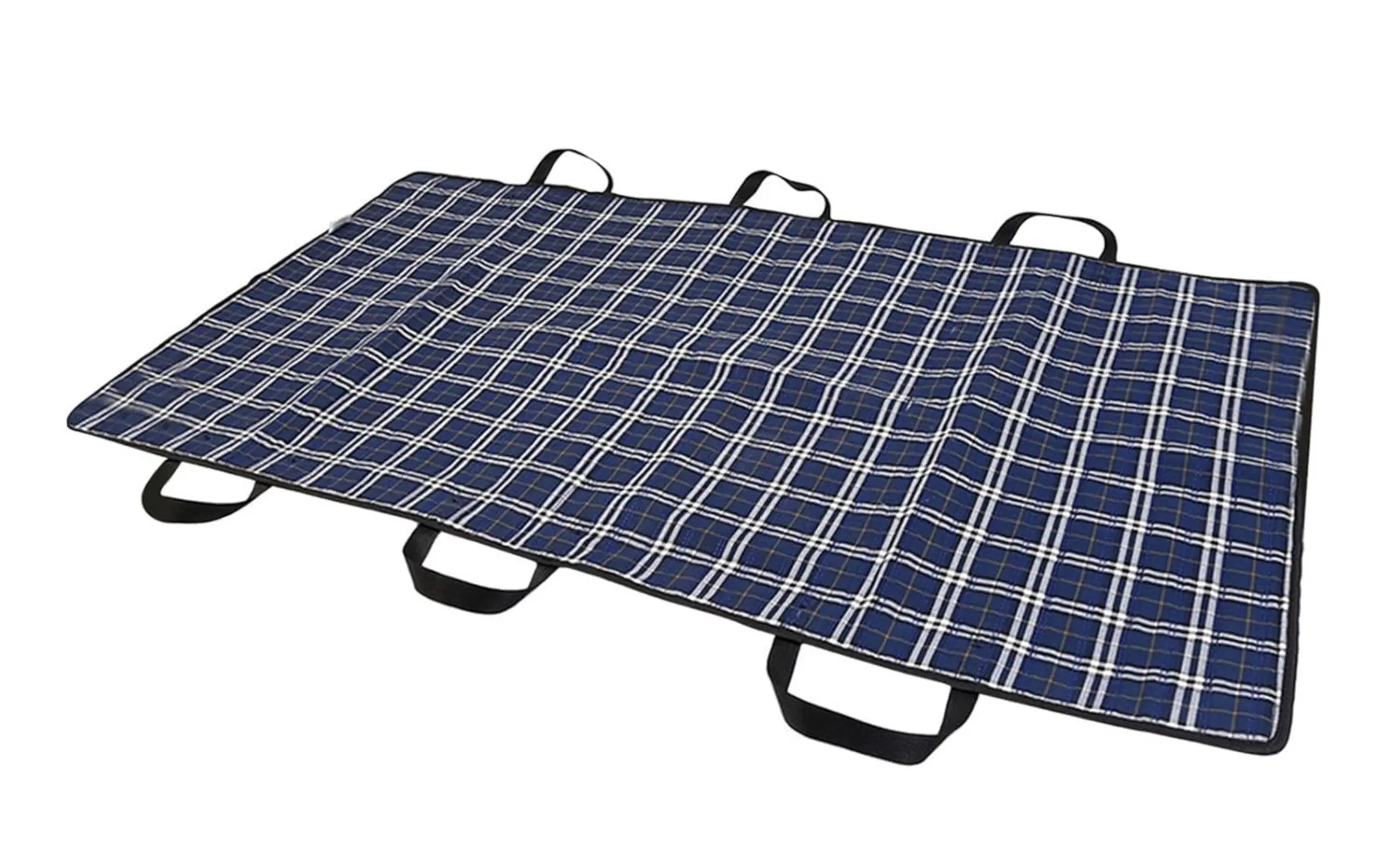
Slide and reposition without lifting to reduce torque on hips, spine, and neck points.
Shop Carrying Mat →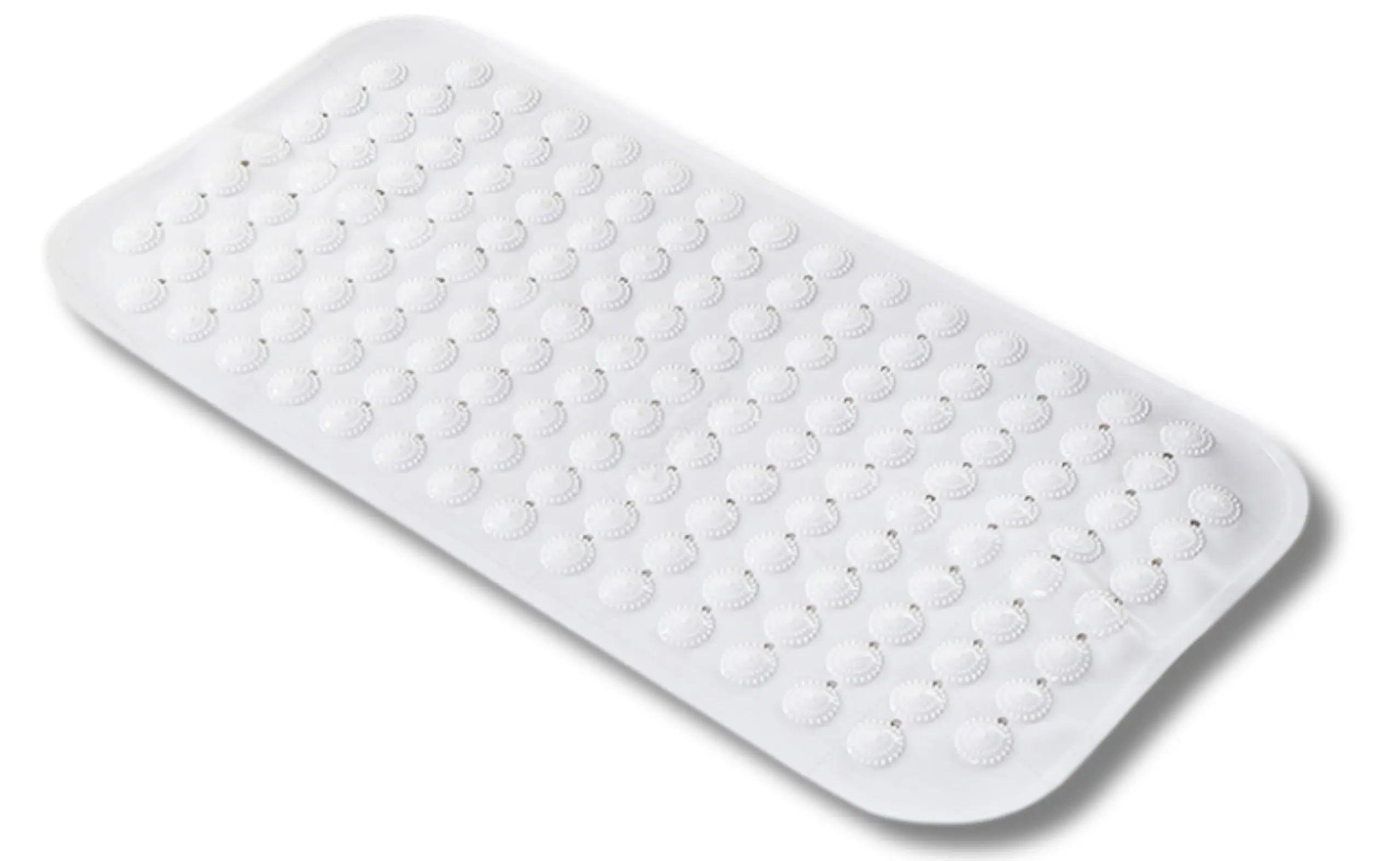
Anti-slip footing support for standing routines like drying, toweling, and powdering.
Shop Standing Mat →
Waterproof barrier to protect bedding and create a cleaner storage surface.
Shop Mattress Sheet →Storage Best Practices (Neutral, Clean, Unstressed)
- Neutral pose: face up, limbs relaxed, joints not bent under tension.
- Clean barriers: always use a protective sheet, and wash it regularly.
- No dyed fabrics: avoid dark, non-colorfast clothing against warm TPE — dye transfer happens during storage, not just use.
- Dry before storage: never store with moisture in cavities or deep creases.
- Avoid PVC or silicone-type materials in direct contact with the skin during storage — these can interact chemically with TPE over time.
- Ventilated area: not inside an airtight bag or case while the doll is still warm from use or washing.
- Original packaging: the styrofoam box and carrying bag are a practical long-term option — the foam holds a safe neutral posture and keeps the doll protected.
How to Repair Small Damage Early
Small tears, surface marks, and dye stains are far easier to handle early. The most important repair rule is timing: treat issues now, before they expand. The second rule is material — match the kit to your doll (see the TPE vs silicone primer).
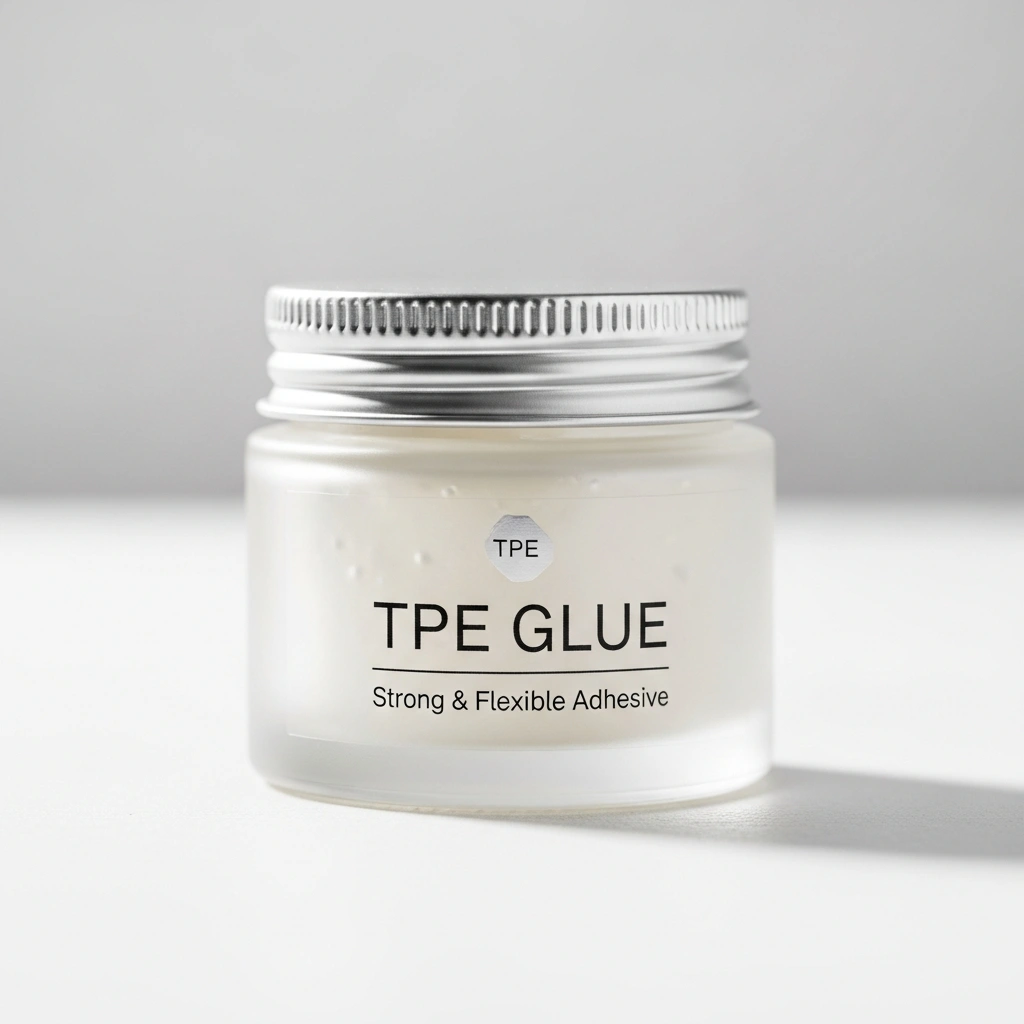
Flexible adhesive that moves with TPE rather than cracking like rigid glues.
Shop TPE Glue →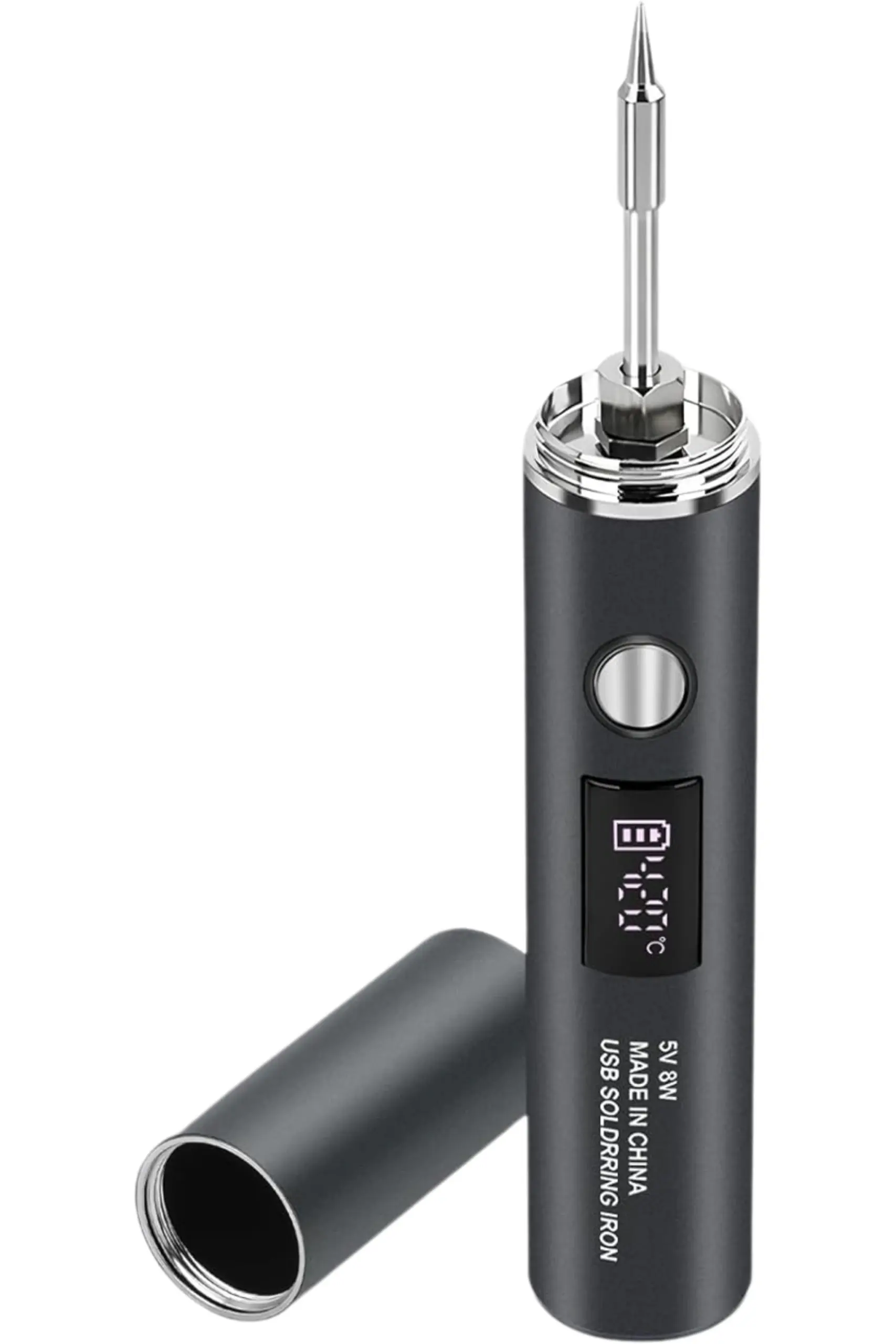
Re-fuse seams and trim ragged edges for smoother repairs when used carefully.
Shop Hot Knife →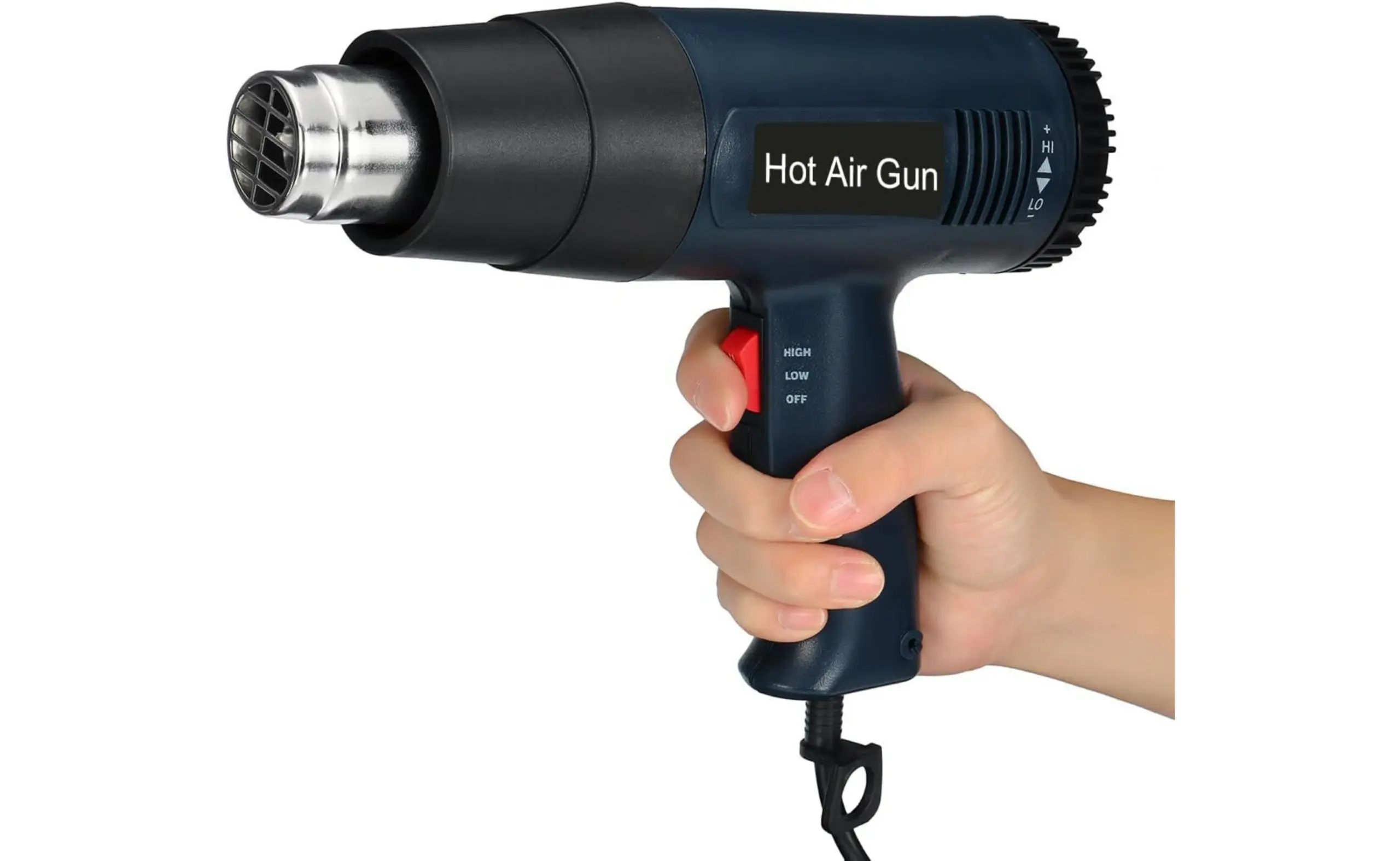
Blend and smooth after hot-knife repairs to reduce visible seam texture.
Shop Heat Gun →Best used early; deeper stains may require multiple cycles.
Shop Stain Cream →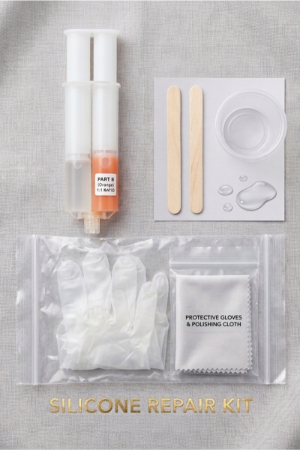
Silicone needs silicone-specific compounds; TPE glue won’t bond properly.
Shop Silicone Kit →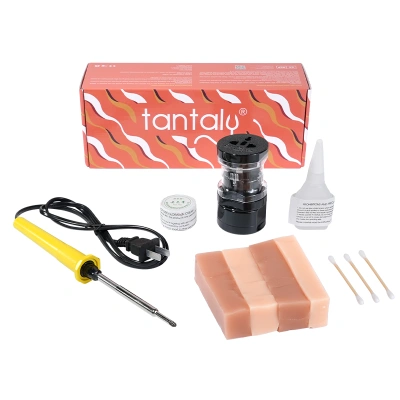
A bundle that covers common fixes for routine maintenance situations.
Shop Repair Kit →How to Repair a Tear with TPE Glue (Full Cure Matters)
- Clean and dry completely. Any moisture, lube, or oil prevents bonding. Dry the area thoroughly and allow extra air time if needed.
- Align the edges. Gently bring the tear together to confirm they match. If edges are ragged, trim carefully (where appropriate) for a stronger bond line.
- Apply a thin layer to both sides. Thin and even bonds better than thick — coat both edges, not just one.
- Press firmly and hold. Hold closed about 60 seconds, then keep the area stable (gentle tape/clamp if needed) so it doesn’t shift while curing.
- Allow 24 hours minimum cure. Handling strength may come sooner, but full strength takes time — returning to use early commonly re-opens repairs.
Complete Care & Maintenance Schedule
Every Use — Required
- UV germicidal rod 15–20 min before use (sterilize + pre-warm); unplug and remove before applying lube.
- Lubrication via applicator before use so the full tunnel is protected.
- HydraClean 360 internal wash (45–60 seconds per cavity).
- Clean-water rinse pass (20–30 seconds).
- MicroFlock absorption step — insert to the end and gently squeeze the stomach/lower-back to draw moisture in (TPE and silicone); ~2–3 min for silicone, longer for TPE. Remove after — never overnight.
- Powered airflow drying (10–15 minutes; 20 in humidity).
- ThermaCore controlled-heat pass (15–20 minutes).
- Surface drying with press-and-lift towel technique.
- Store neutral on a waterproof barrier sheet in a ventilated area.
After Washing — Add These
- Apply baby oil or mineral oil in thin layers; allow full absorption before proceeding.
- 30–60 minutes of air time after toweling before powdering.
- Lint-roller pass before applying powder finish.
- Renewal powder as a thin, invisible protective layer (TPE).
- Inspect for stains, tears, peeling, and high-flex wear points.
Weekly
- Quick inspection of joints and any posture-memory signs.
- Check cavities for unusual odor; re-clean if needed.
- Optional UV sterilization cycle (only after a full clean + dry).
- Check storage surfaces and protective-sheet cleanliness; wash the sheet regularly.
Frequently Asked Questions
How often should I clean my doll?
Clean the internal cavities after every single use, and wipe down the surface after each session — especially the creases. A consistent clean-plus-dry routine is the most reliable long-term strategy. If the doll has gone unused for a while, clean and inspect it before resuming.
My new doll has a smell — is it safe?
Yes. A mild odor on a new TPE doll is normal off-gassing from the airtight packaging during shipping, not a quality defect. Air it out in a cool, well-ventilated space for a few hours, then wash with mild soap and rinse — the smell clears quickly. Never use alcohol-based products on TPE.
Can I use regular towels for drying?
Regular terry towels rely on friction, which can gradually roughen soft surfaces over time. A suede-style absorbent towel with a press-and-lift technique reduces unnecessary rubbing and gives better long-term results.
Is renewal powder necessary?
For TPE, it’s often the highest-impact step after washing because it keeps the surface from becoming tacky. Apply it only to fully dry skin — damp skin plus powder clumps and traps moisture. For silicone, confirm compatibility before applying any powder product.
How do I prevent mold inside the cavities?
Thorough cleaning followed by complete drying, every session, without exception. The absorption → airflow → controlled-heat sequence removes moisture at every level. Never leave a drying stick inside overnight. If visible mold appears, stop use immediately.
What do I do if the skin starts peeling?
Peeling means surface oil has been depleted by repeated washing. Fully dry the area, apply baby oil or mineral oil in multiple thin layers letting each absorb, then finish with renewal powder once dry. Oiling after every wash prevents recurrence.
How do I remove dye stains from dark clothing?
Apply TPE stain removal cream as soon as you notice staining — early treatment is far more effective than treating set-in dye. Light stains usually clear in one cycle; deeper stains may need 2–3 applications. Prevent it by washing dark clothing several times before dressing the doll, and always keeping a light-colored protective sheet against the skin.
What’s the difference between TPE and silicone for care?
TPE is softer and more porous, so it stains and holds moisture more easily and needs renewal powder plus periodic oiling. Silicone is firmer, less porous, and more stain-resistant, usually doesn’t need powder, and requires silicone-specific repair compounds. Water-based lube is safe for both. See the materials primer for the full breakdown.
What’s the simplest cleaning routine to follow?
Three moves after every use: clean (flush the cavity), dry with cloths (towel the surface using press-and-lift, not rubbing), and dry the excess (absorption → airflow → controlled heat inside the cavity). See the worked example routine for exact timings — active time is under ten minutes, with the rest spent drying on its own.
Do I buy the cleaning tools separately, or as one kit?
Each tool is its own product. The Complete Cleaning Set section lists the full six-tool routine — internal cleaner, both towels, the tunnel dryer, the airflow dryer, and the heating rod — with a direct link to each one, so you can add exactly what you need. The most common mistake is buying a cleaner but skipping the drying tools, so add those even if you trim the list.