

Buying Guide
Pillow Doll: Is the 7 kg Cuddle Companion Worth It?
A pillow doll is one of the most misunderstood products in the love-doll world. Before you buy, it helps to know exactly what you’re getting — so here’s the neutral version: what it does brilliantly, where it falls short, and how to make one last.

What Is a Pillow Doll?
A pillow doll — also called a foam-core doll or lightweight love pillow — is a full-size adult companion doll built around a lightweight polyurethane (PU) foam core instead of a solid TPE or silicone body. That single design choice makes it dramatically lighter: a 162 cm pillow doll weighs roughly 7 kg, against 25–40 kg for a comparable solid doll. Most current models are hybrids: a silicone head, a soft-silicone lower body, and a torso and limbs of light PU foam wrapped in a thin, high-elasticity film — a film skin, not fabric — joined by a standard M16 head connector. In practice the result is essentially an inflatable-style body with a realistic head — the head and intimate area look the part, while the lightweight film-over-foam body does not (covered honestly in the cons below).
That construction is the whole point. Where a conventional silicone sex doll or TPE sex doll can weigh 25–40 kg, a pillow doll of the same height can weigh as little as 7 kg, making it one of the lightest portable doll options you’ll find. It’s worth being clear that a pillow doll is not the same as a solid fabric doll or plush doll: those have a stuffed, solid body, whereas a pillow doll is light foam wrapped in a thin film.
Real Examples: The Lumina and Vivian 162 cm Pillow Dolls
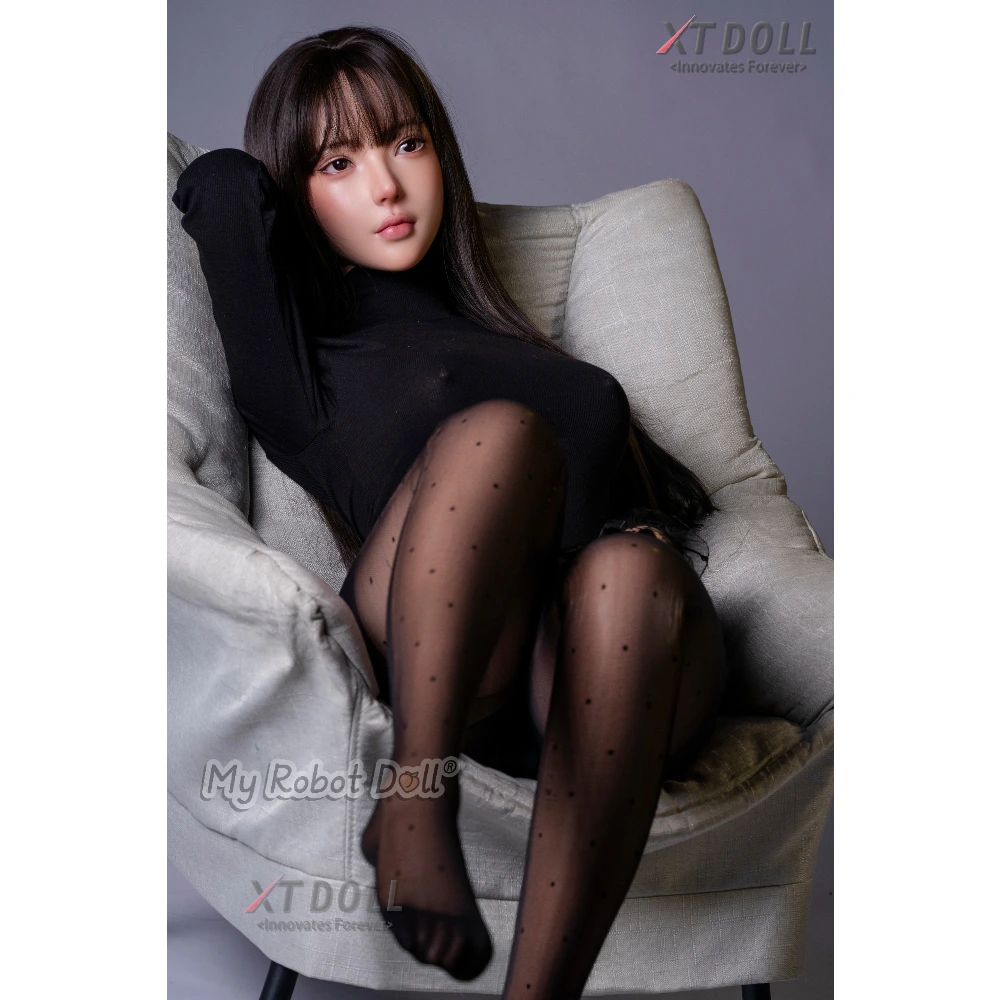
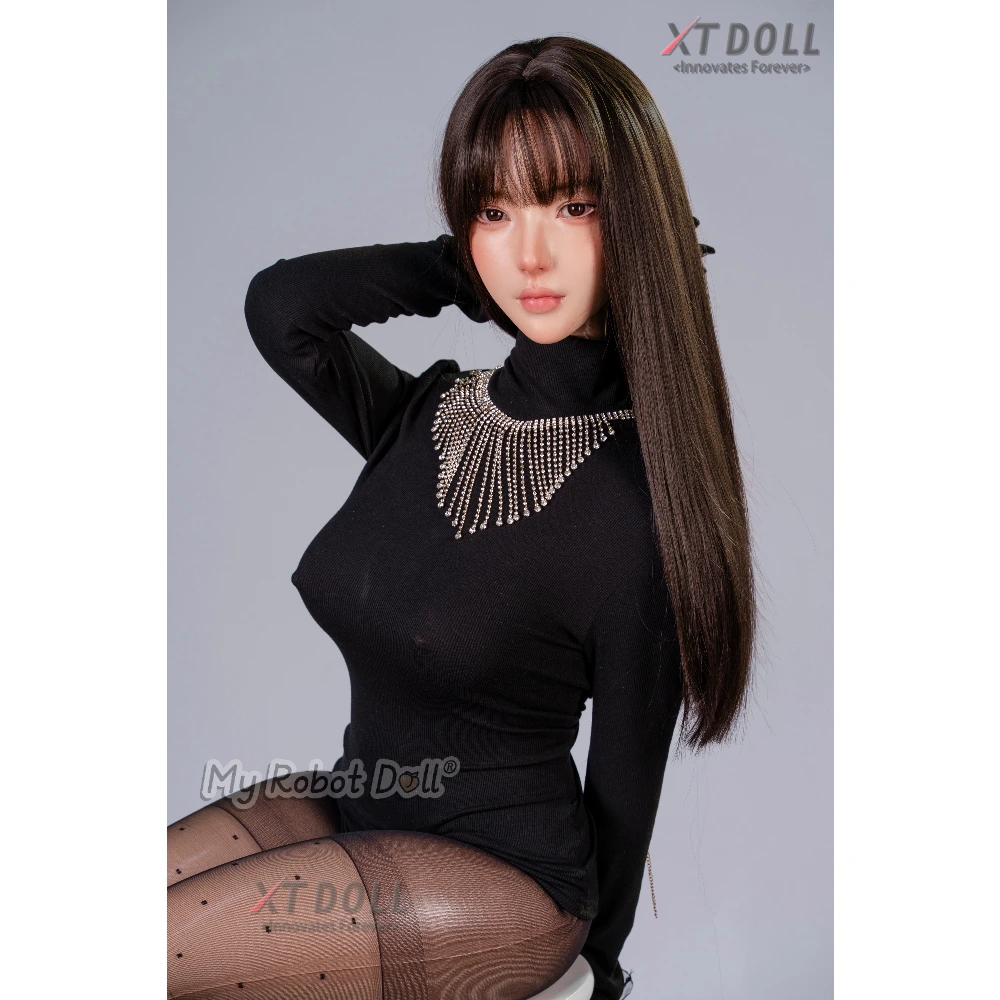
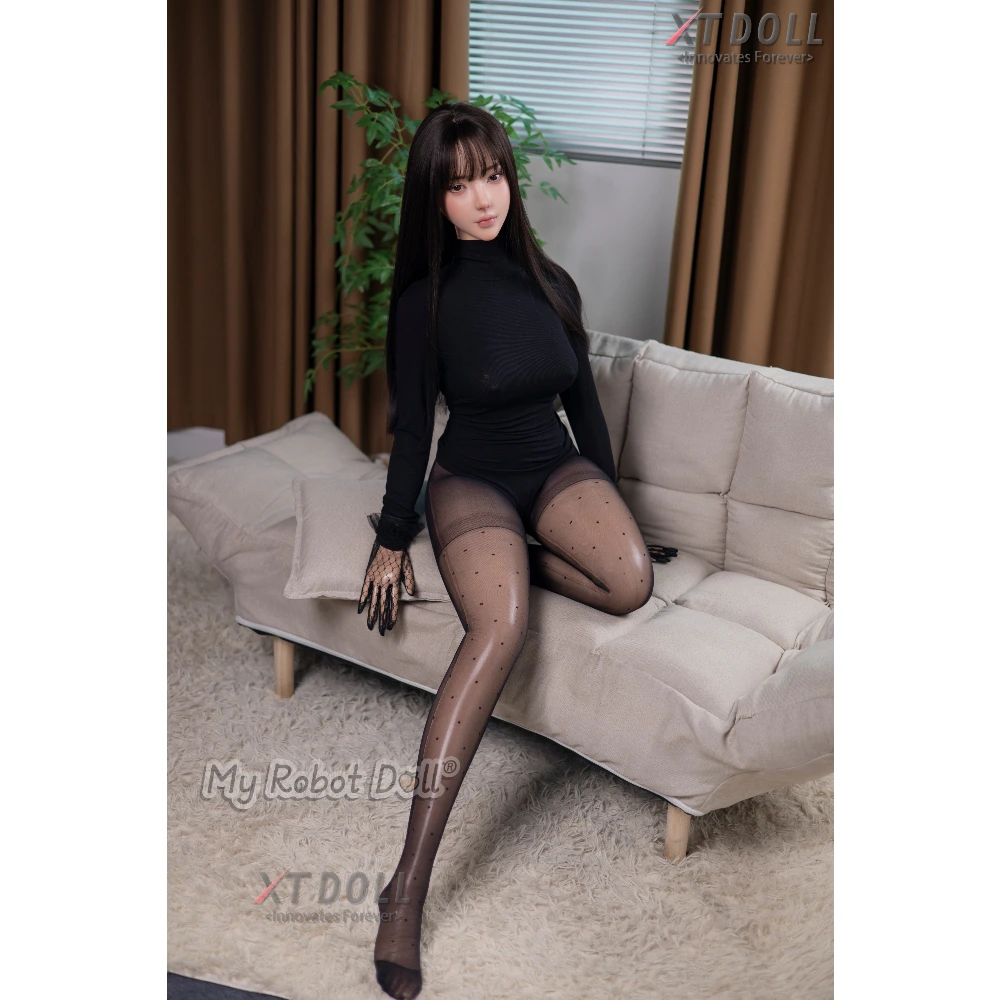
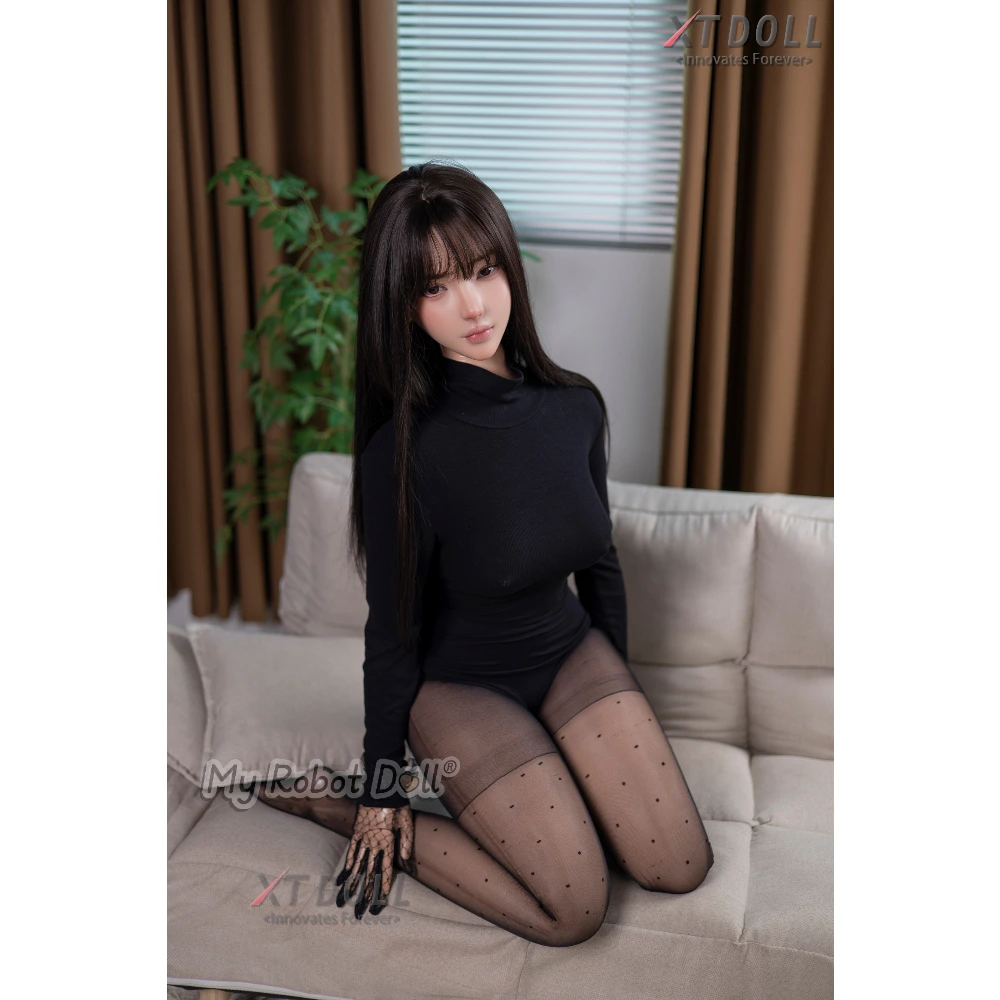
To make this concrete, the guide refers to the two XT Doll pillow models: the Lumina and the Vivian, both 162 cm / 5’4″. Here’s the thing worth understanding before you compare them: they are the same doll from the neck down. Same 7 kg foam-core body, same soft-silicone lower body, same film skin, same price. What you’re actually choosing between is a face. That makes the decision simpler than a two-product listing suggests — every spec below applies to both.
- Height
- 162 cm / 5’4″
- Total weight (incl. head)
- 7 kg
- Head
- Hard silicone (no oral cavity)
- Lower body
- Soft silicone, one-piece
- Body core
- Aerospace-grade PU foam
- Outer skin
- Thin film (not fabric)
- Head connector
- Standard M16 bolt
- Bust / waist / hips
- 79 / 58 / 89 cm
- Skeleton
- Light support (lie-down only)
- Oil bleed
- None
- Outfit
- Included (as pictured)
The standard M16 head connector is worth noting: it’s the same fitting used across most of the industry, so the silicone head is interchangeable down the line if you want a different face. Both models are also sold the same way — you’re buying the silicone head, and the pillow body comes with it as a free gift. That’s worth remembering when you get to the warranty note in the cons.
The dual-layer lower body, up close
The lower body is where a pillow doll’s realism actually lives, and it’s worth understanding how it’s built. It’s a one-piece soft-silicone insert made in two layers: a firmer inner structure that holds its shape, wrapped in a noticeably softer outer layer that gives the surface its yield. Single-layer parts always have to compromise — soft enough to feel right means too soft to keep its form, and firm enough to keep its form means it reads as a moulding. Building it in two layers lets each layer do one job.
This is the same construction used on considerably more expensive full-silicone dolls, and it’s the reason the intimate area feels premium while the film-over-foam torso doesn’t. It’s also silicone rather than TPE, which is why there’s no oil bleed and no powdering here, and why upkeep is as quick as it is — see how to clean it below. This part is identical on both models.
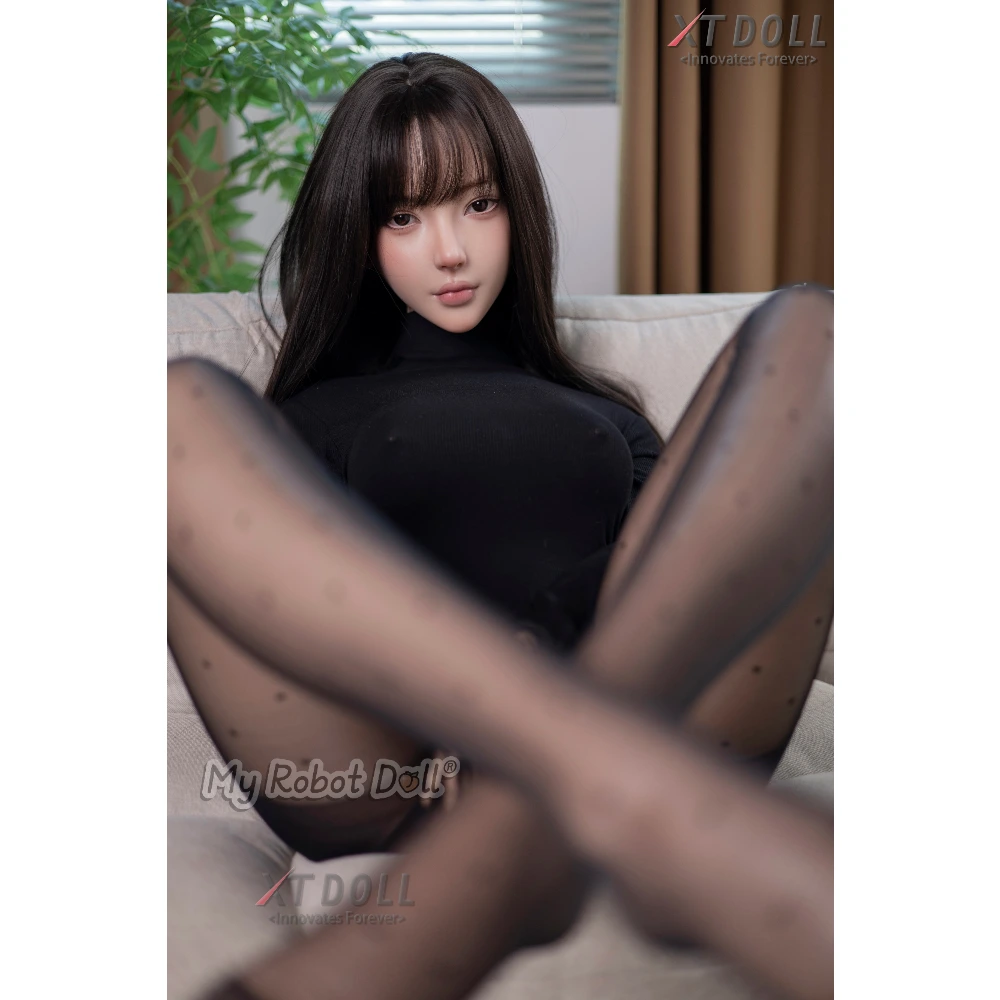
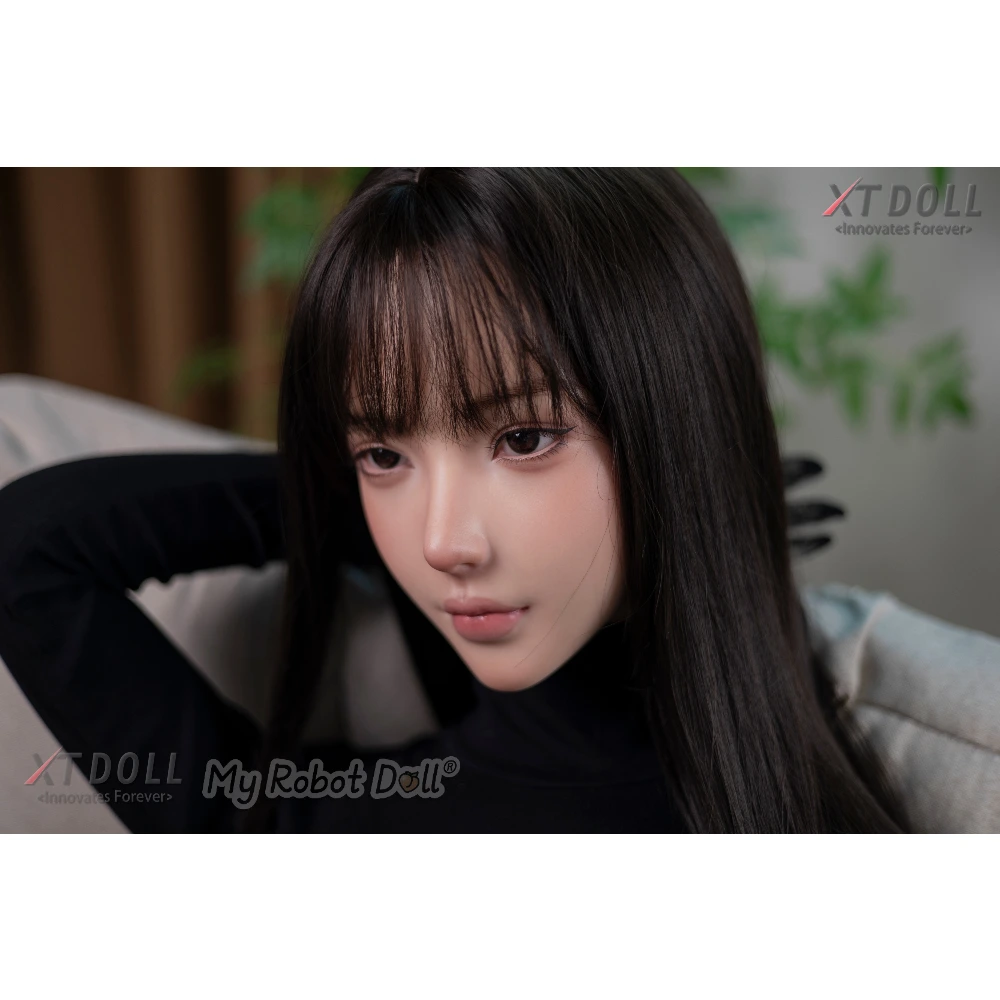
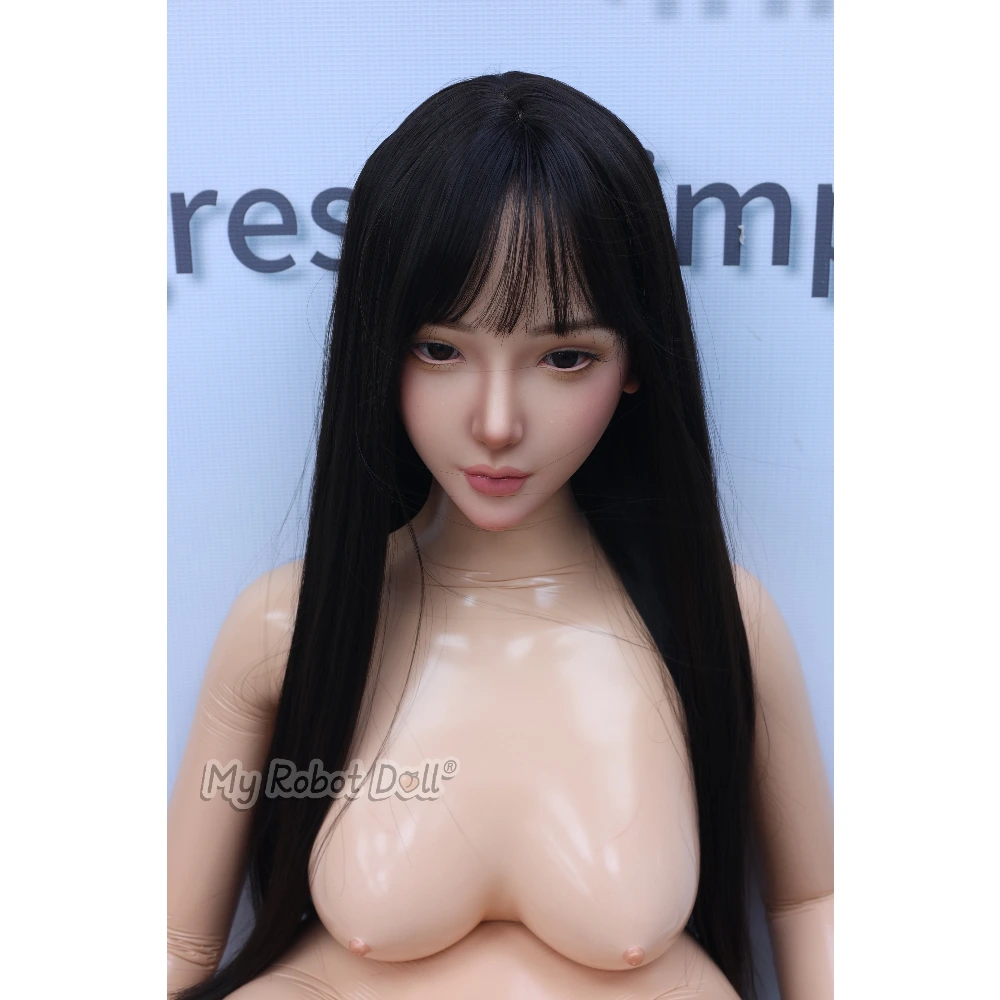
Lumina, up close
The pillow doll ships dressed in the same outfit shown in these photos.


Vivian, up close
Vivian is the second face in the series, and the newer of the two. Long brown hair, softly shaped features, and the same slender 162 cm frame. Everything in the spec table above applies to her unchanged — the difference begins and ends at the M16 bolt.
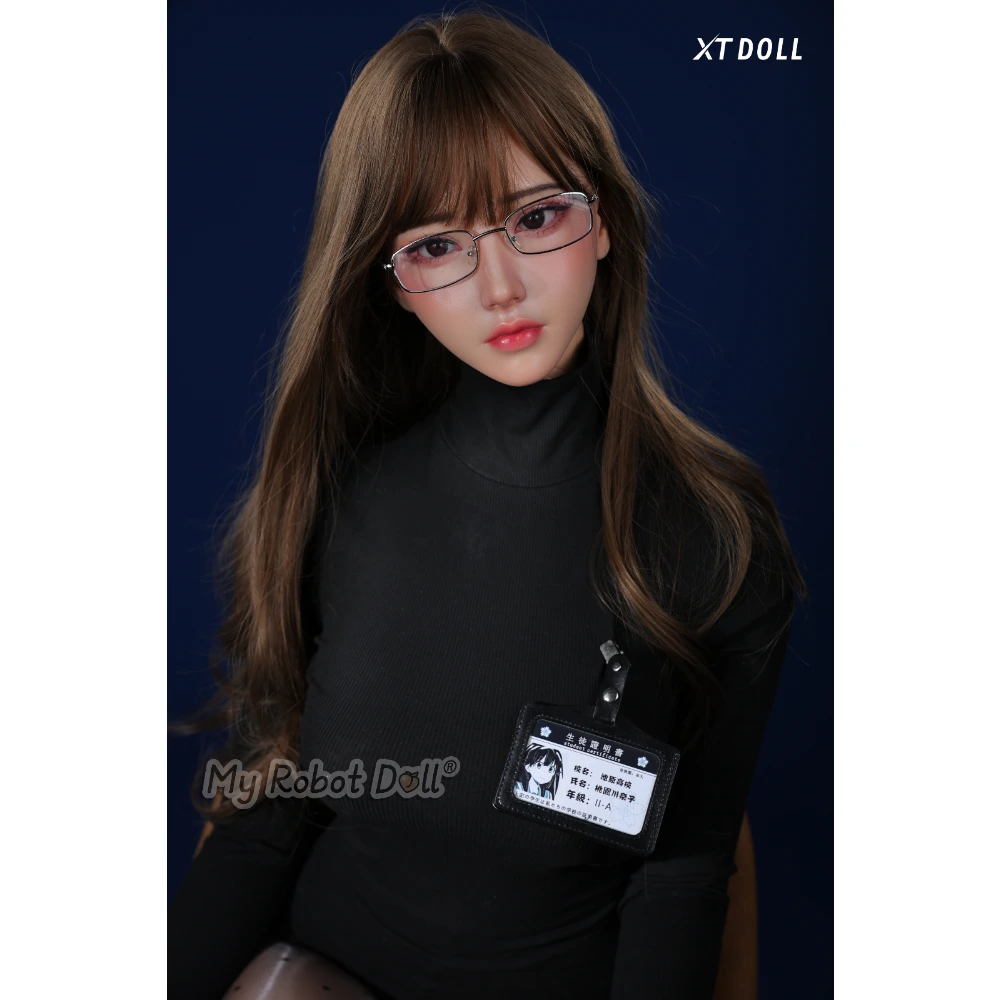
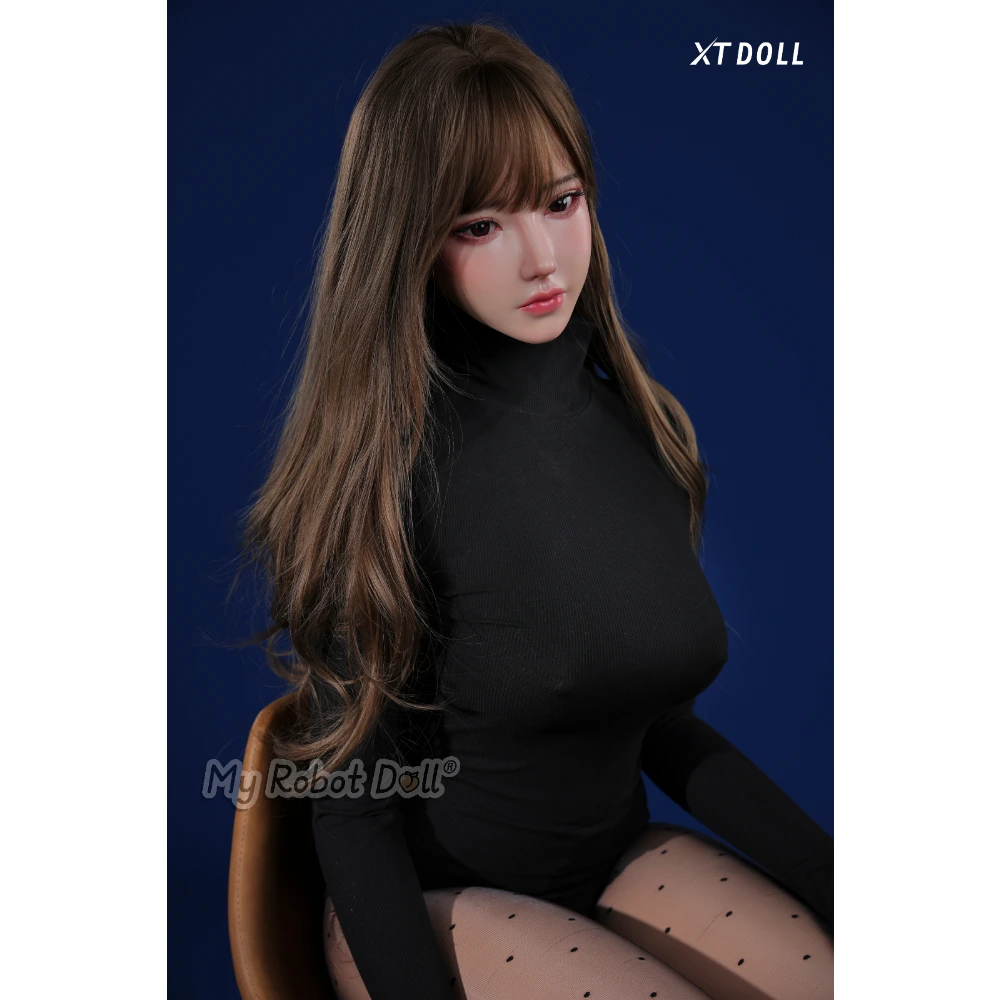
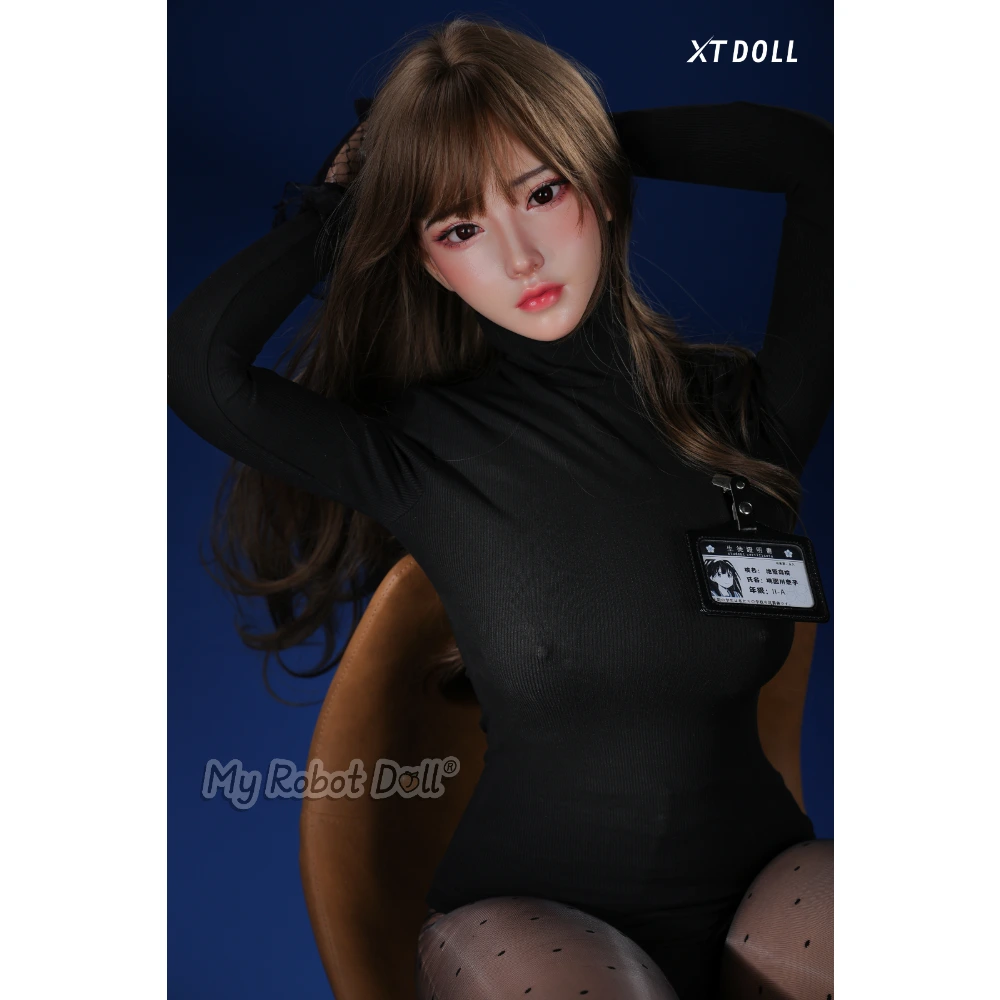
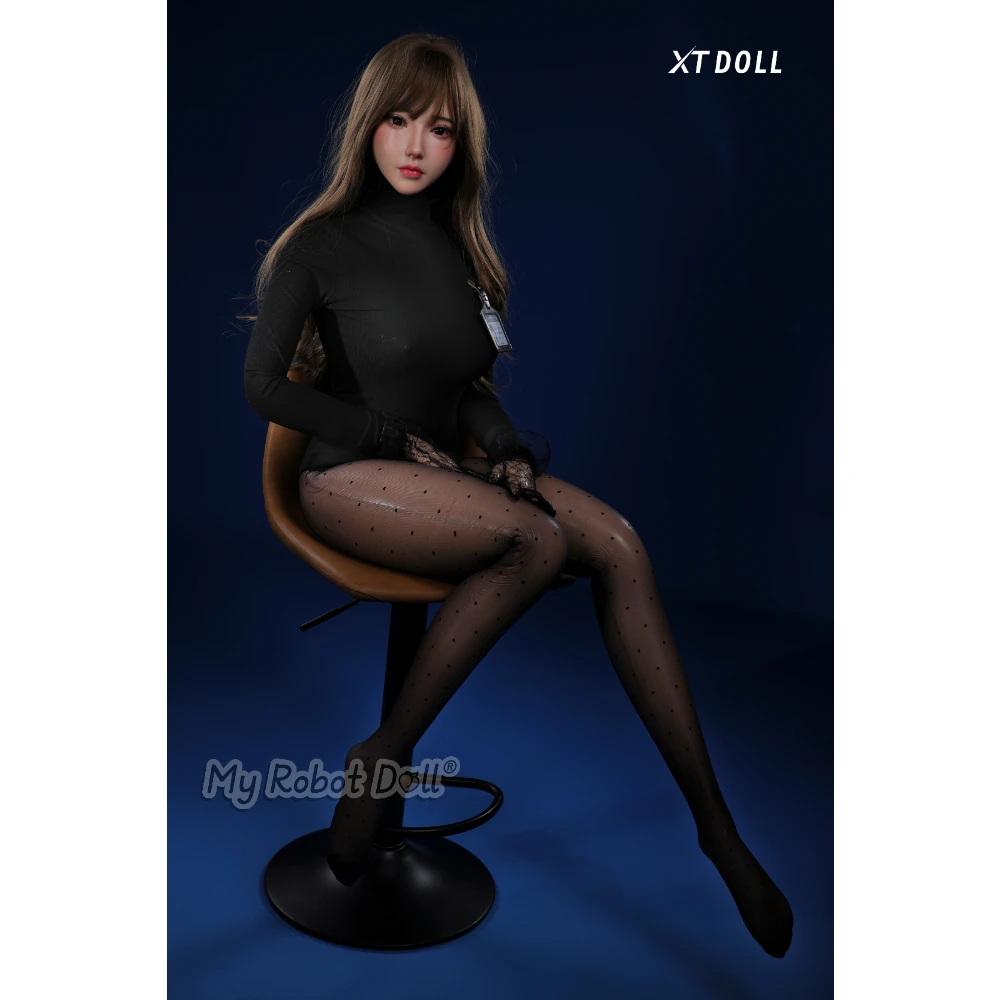
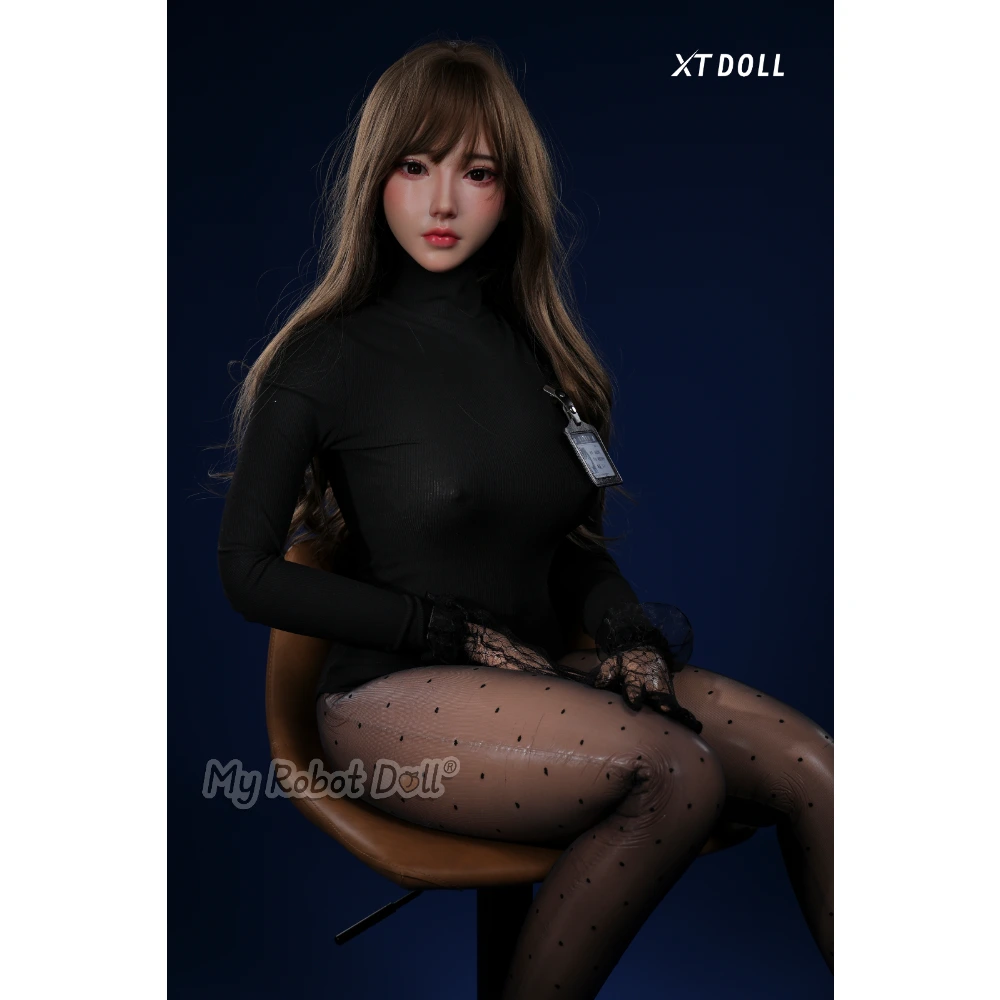
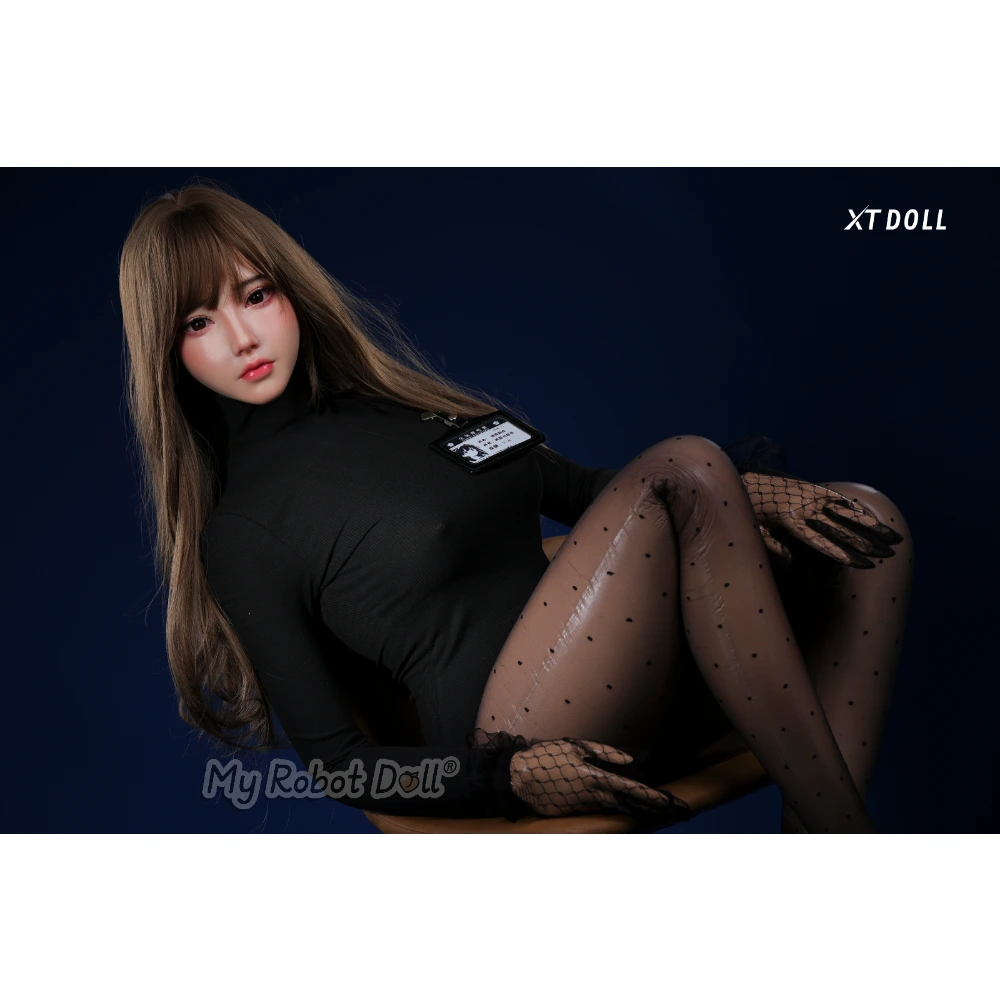
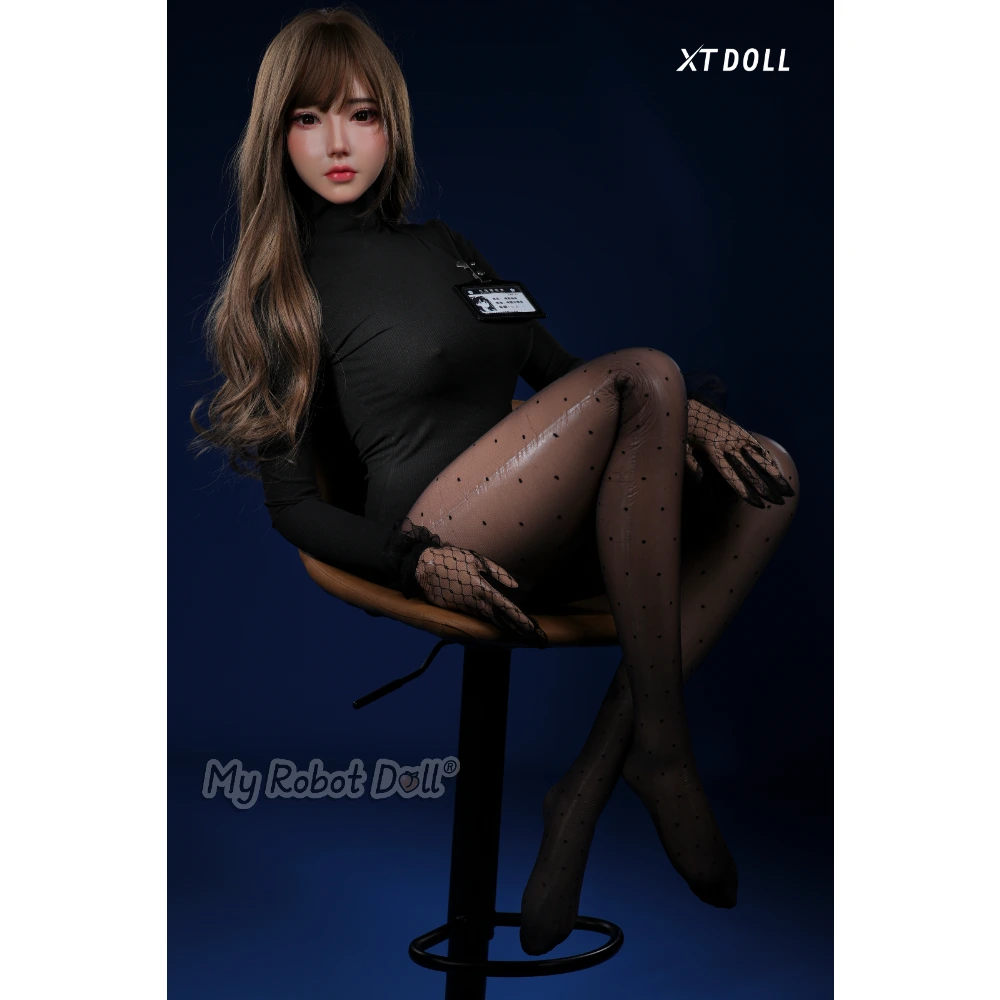
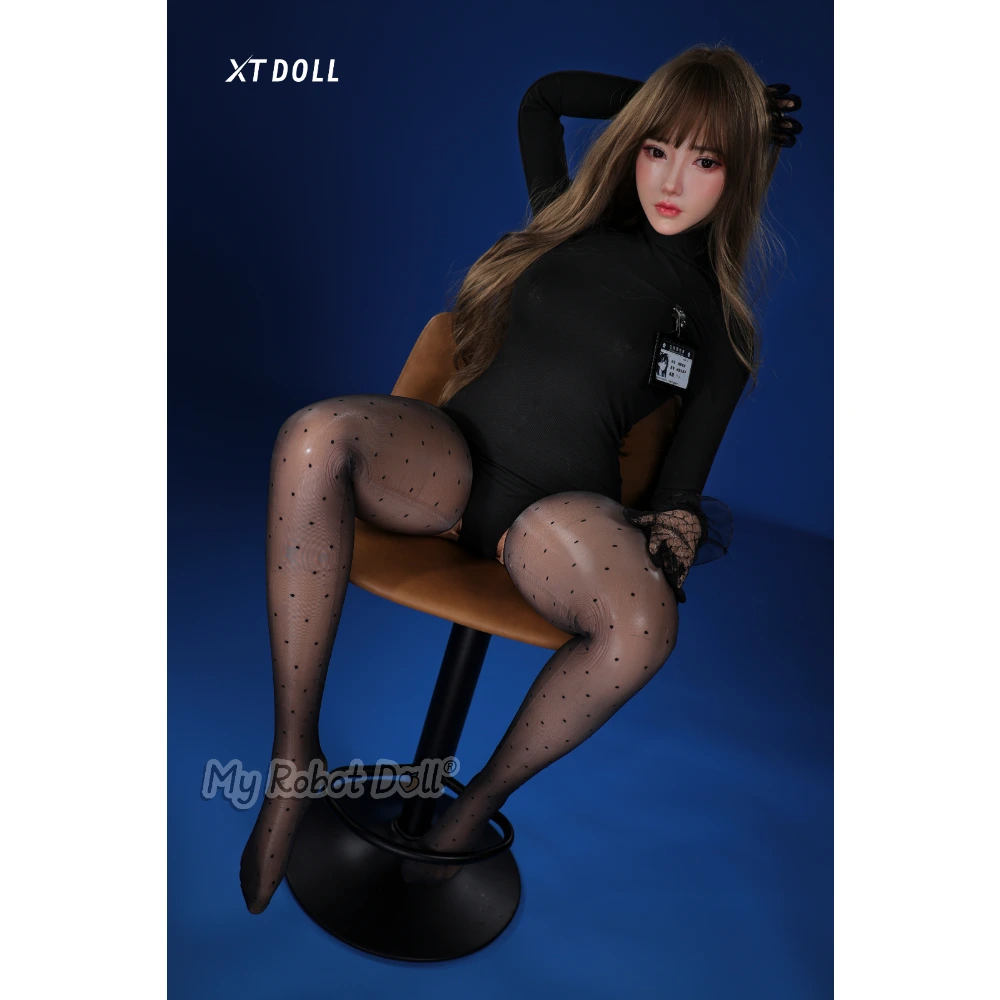
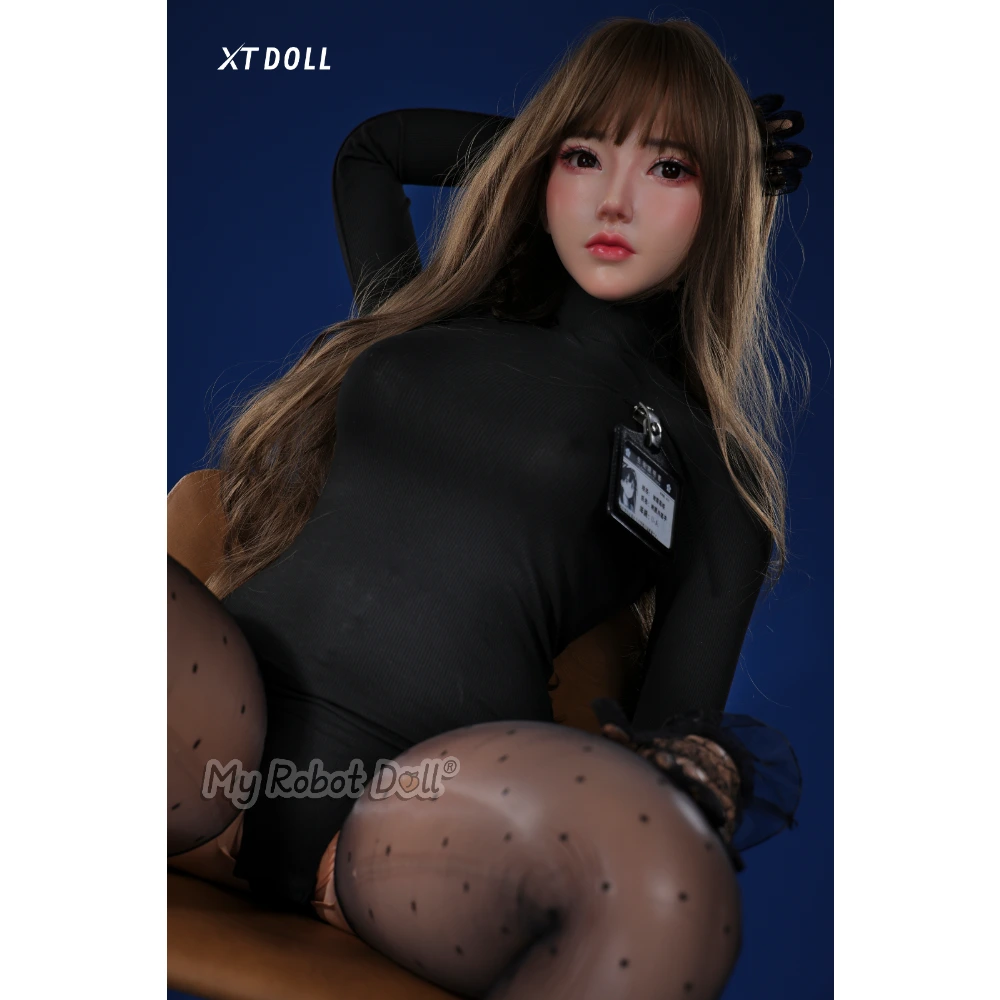
Since the head is the entire decision here, it’s worth seeing it move rather than judging it from stills — lighting and angle flatter a silicone face far more in a photograph than in the room.
Choosing between them
There is no better model here, only a different face — so ignore the specs entirely and pick on looks. Both use the same hard-silicone head construction with no oral cavity, both mount on the same M16 bolt, and both arrive on the identical 7 kg body. Nothing about durability, feel, weight, or maintenance changes with your choice.
One practical consequence: because the connector is an industry-standard M16, you aren’t locked in. If you buy Vivian now and want Lumina’s face in a year, you can order the head on its own and keep the body. That’s a far cheaper way to change things up than replacing a whole doll — and it’s an option solid-body owners don’t really have.
Pillow Doll at a Glance
Everything that defines a pillow doll comes back to one design choice — a light foam core instead of a solid body:
- Ultra-light: around 7 kg, so it’s easy to lift, reposition, and store.
- Warm to the touch: the foam core feels cozy rather than cold — ideal for cuddling.
- Low stretch: the body holds its shape but must stay within a limited movement range.
- Lie-down use: a light support skeleton means it rests on the bed rather than standing or posing.
- Very low maintenance: no oil bleed and quick to clean.
- Entry-level price: an affordable way into a full-size companion with a real silicone head.
- Limited body realism: essentially an inflatable-style body with a realistic head — the film-over-foam torso and limbs feel inflatable, not solid.
The Pros of a Pillow Doll
1. It’s warm and genuinely nice to cuddle
This is the standout advantage. A pillow doll’s foam core doesn’t pull heat from your skin, so it feels neutral-to-warm straight away — no heating tool or warm-up time needed. For cuddling, especially in winter, that makes a real difference.
2. It’s astonishingly light
At around 7 kg, a full-height pillow doll weighs less than a carry-on bag. You can lift it one-handed, reposition it effortlessly, and store it easily — ideal if you have limited strength, a small space, or simply don’t want to wrestle a 30 kg doll. It’s one of the lightest options in our under-15 kg range.
3. No “which position do I leave it in?” anxiety
With a heavy doll, leaving it lying awkwardly can stress the skeleton or dent the skin over time. A pillow doll is forgiving: rest it on the bed in a normal lying position and it won’t easily damage itself.
4. No oil bleed and very low maintenance
TPE in particular can weep oil and needs periodic powdering. A pillow doll doesn’t release oil or stain, so it can sit on the bed for long periods with almost no upkeep.
5. An affordable entry point — with a real silicone head
You still get a proper silicone head and a soft-silicone lower body at an entry-level price. For a first doll, or a low-commitment companion, that’s strong value.
The Cons of a Pillow Doll
This is where buyers get caught out, so we’re spelling it out clearly.
1. It can look and feel like an inflatable toy
The simplest way to picture a pillow doll is an inflatable-style body with a realistic head. That’s the honest trade-off for the ultralight build: the torso and limbs are a thin film over light PU foam, so up close the body can read as a blow-up toy rather than a solid one — less lifelike than a solid fabric, TPE, or silicone doll. The genuinely realistic parts are the silicone head and the soft-silicone lower body; the foam-and-film body is not. If true-to-life body realism is your top priority, this isn’t the doll for it.
2. The body doesn’t stretch, so it tears if over-flexed
A pillow doll’s outer film and foam core have limited stretch — they hold their shape rather than flexing like a stretchier body. Push a limb past its comfortable range — fully straightening an arm, or forcing the thighs wide — and the material can tear at stress points like the underarms and inner thighs. Staying within the safe range (chart below) is the key to a long life.
3. Limited movement means fewer positions
Because the material can’t stretch and the internal skeleton is a light support skeleton only, the doll can’t stand or hold a pose — it’s designed for lie-down use. The joints are fully loose, which makes the doll easy to adjust, but loose joints don’t retain a position: a raised limb settles back under its own weight. That naturally limits positions compared with a fully articulated TPE or silicone doll.
4. The skin can’t be replaced
On a pillow doll, the outer film skin can’t be replaced, so prevention matters far more than repair — handle it gently and keep it within range. (Surface tears on stretchier dolls can usually be patched; see our repair guide.)
5. A few model-specific notes
The hard-silicone head on this style typically has no oral cavity. And on bundled “pillow series” models, the body is often a free gift not covered by after-sales warranty, so treat it accordingly.
Pillow Doll Safe Movement Range
This is the single most important section for keeping your doll intact. A pillow doll has a narrower safe range than a TPE or silicone doll. For the principles that apply to all dolls, see our doll joint movement & safe-range guide; the table below is the tighter, pillow-doll-specific version.
What’s inside: the skeleton, and why it can’t puncture the skin
The frame inside a pillow doll is a light support skeleton — a slim internal armature that gives the body its shape and keeps the limbs sitting naturally. It is not the heavy, fully articulated skeleton you’d find in a solid TPE or silicone doll, and it isn’t meant to be. Its job is to hold a resting shape, not to carry the doll’s weight upright.
The obvious worry with a metal frame under a thin film skin is that an edge eventually works its way through. XT Doll builds against that directly: every skeleton part is deburred — the sharp edges left by cutting and forming are ground off — and the whole frame is then fully wrapped in PU material on all sides. There is no bare metal anywhere against the foam. Under normal use there is no puncture risk, and the diagram below shows how completely the frame is enclosed.

“Fully loose” means easy to move, not able to hold a pose
The skeleton is described as fully loose, and that phrase is worth unpacking because it’s easy to read the wrong way. It means the joints have very little friction: limbs move with almost no effort, so adjusting the doll into a comfortable lying position takes a light touch rather than a wrestle. That’s a real advantage over stiff-jointed dolls, where shifting a leg can mean forcing it.
What it does not mean is that the doll holds whatever position you put it in. Loose joints move easily in both directions — including back down under gravity. A raised arm will settle, and the doll still can’t stand or sit unsupported. So: easy to adjust, not able to pose. If you were hoping the phrase implied posability, this is the point to recalibrate.
There’s a safety consequence too. Because there’s so little resistance, you get almost no feedback as a joint approaches its limit — a stiff joint tells you when to stop, and a loose one doesn’t. The frame won’t puncture the skin, but the foam around it can still tear if a limb is pushed past its range. Move slowly and stay inside the angles below.
The general joint-movement reference
The diagram below is our standard joint-movement reference — it shows the direction each joint is built to travel, and it applies across doll types. Read it as the outer limit for a fabric or TPE body, not as the target for this one. A foam-core pillow doll sits meaningfully tighter than what’s shown here, so use the diagram to understand which way a joint is meant to move, then use the table underneath it for how far.
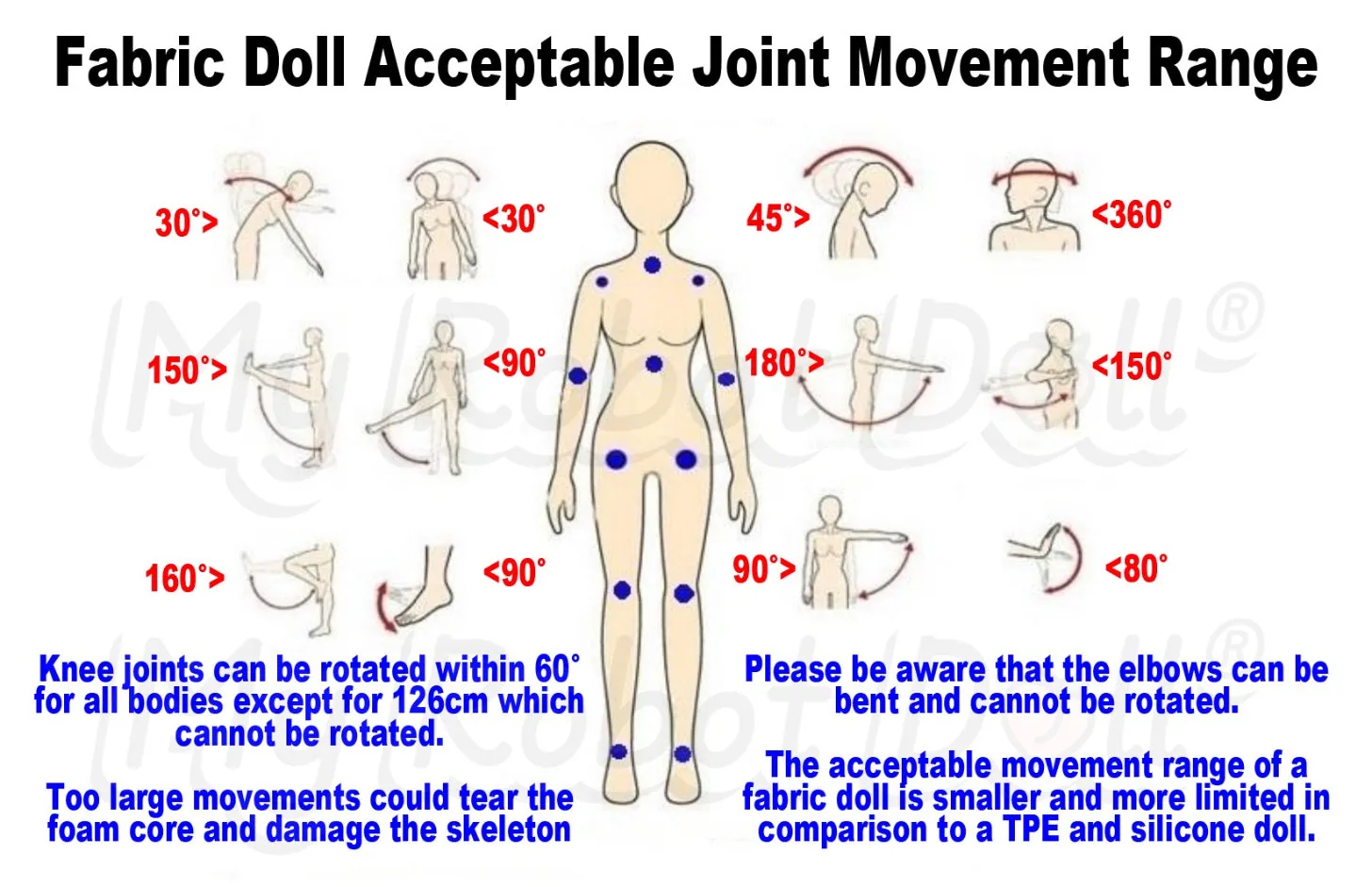
| Joint | Safe to do | Avoid | Why it matters |
|---|---|---|---|
| Shoulder | Small lifts away from the body; arms resting alongside or lightly across the torso | Raising the arm above head height or rotating it backwards | The underarm is the thinnest point of the film and the first place a tear appears. |
| Elbow | A gentle, relaxed bend | Straightening the arm fully, or folding it tight against the upper arm | Both extremes concentrate all the stress on one crease in the foam. |
| Hip | Legs slightly apart; a shallow bend forward as if seated on a soft surface | Forcing the thighs wide, or lifting a leg high toward the chest | The inner thigh is the second most common tear point after the underarm. |
| Knee | A soft bend, as in a natural lying position | Folding the heel back to the thigh | A deep fold compresses the foam past its recovery point and leaves a permanent crease. |
| Neck / head | Light turning left and right | Hanging the doll by the head, or twisting hard against the M16 bolt | The full 7 kg pulls on one connector; support the body whenever you move it. |
| Whole body | Lying flat, on its side, or propped on cushions | Standing it up, sitting it unsupported, or hanging it from a stand | The support skeleton isn’t built to carry the body’s weight vertically. |
How to Clean a Pillow Doll
This is the easiest doll in the category to look after, largely because there’s no TPE involved. There’s no oil to blot, no powdering routine, and nothing that stains your sheets. Two materials, two different approaches:
The soft-silicone lower body
Rinse the insert with warm water and a small amount of mild, unscented soap, then rinse thoroughly until no residue remains. Silicone is non-porous, which is why this takes a minute rather than a ritual. Pat dry with a lint-free cloth and let it air-dry completely before storing — trapped moisture, not the cleaning itself, is what causes problems over time. Use only water-based lubricant: silicone-based lubricant degrades silicone on contact, and oil-based products are equally unkind to it.
The film-over-foam body
Surface-wipe only. Use a damp (not wet) cloth, work gently, and dry immediately. Do not submerge the body, run it under a shower, or put it in a washing machine — the foam core absorbs water, holds it for a long time, and has no way to dry from the inside. Skip alcohol, solvents, and abrasive cleaners entirely; they attack the film. Skip talc and powder too, since there’s no oil bleed to manage here and powder simply builds up in the creases.
Storage between uses
Lay the doll flat, ideally on the bed or back in its shipping box, and keep it out of direct sunlight and away from radiators — UV and sustained heat are the two things that age the film fastest. Avoid dark, heavily dyed fabrics against the skin for long periods, as dye transfer is permanent on light-toned material. If you need to leave it for weeks, flat and loosely covered beats folded or compressed every time.
Watch the cleaning routine
Written instructions make this sound more involved than it is. The clip below runs through the routine end to end, which is the quickest way to see how little handling the lower body actually needs and how gently the film skin should be treated.
Who a Pillow Doll Is For
This product suits a specific buyer very well and disappoints a different one badly. The difference is almost entirely about what you expect from the body.
A good fit if you…
- Mainly want something to cuddle and sleep beside.
- Live in a small space, or need to move and store the doll often.
- Can’t comfortably lift 25–40 kg, or don’t want to.
- Want a real silicone head at an entry-level price.
- Prefer near-zero maintenance — no powdering, no oil blotting.
- Are buying a first doll and want a low-commitment way in.
Look elsewhere if you…
- Want a lifelike body — the film-over-foam torso won’t deliver it.
- Want to pose the doll, sit it up, or stand it for photos.
- Expect a wide range of positions.
- Want an oral cavity on the head.
- Handle things firmly — the material is unforgiving of force.
- Want a body you can repair or re-skin later.
If you’re on the wrong side of that split, the honest recommendation is to spend more and go solid. Browse silicone dolls for the highest realism, or TPE dolls for softness and full articulation at a lower cost per centimetre. If weight is the real constraint, the portable range is a better place to look than a pillow doll.
Pillow Doll FAQ
Is a pillow doll the same thing as a dakimakura?
No. A dakimakura is a printed pillowcase — a two-dimensional image on fabric. A pillow doll is a three-dimensional, full-size body with a silicone head and a soft-silicone lower body. The names sound similar and the products are not comparable.
Can a pillow doll stand up or sit unsupported?
No. The internal frame is a light support skeleton, not a load-bearing one, and it isn’t designed to hold the body’s weight vertically. A pillow doll is a lie-down product. Its joints are fully loose, so it’s very easy to adjust into a comfortable lying position — but loose joints also mean nothing stays where you put it. You can prop it with cushions; it won’t stand, and it won’t hold a pose the way an articulated doll does.
Does it need powdering, and will it bleed oil?
Neither. Oil bleed and powdering are TPE issues. A pillow doll has no TPE in it — the body is PU foam under a film skin, and the lower body is silicone. It can sit on the bed for long stretches without staining sheets or needing upkeep.
What’s the difference between the Lumina and the Vivian?
The face, and nothing else. Both are 162 cm, both weigh 7 kg, both use the same foam-core body, the same soft-silicone lower body and the same hard-silicone head construction, and both sell at the same price. Vivian has long brown hair and softer features; Lumina is the original release. Pick on looks — no other part of the decision changes.
Can I swap the head for a different face?
Yes. The Lumina uses a standard M16 bolt, the same fitting used across most of the industry, so most compatible silicone heads will fit. Always support the body when attaching or removing a head rather than letting the connector take the full 7 kg.
Can the metal skeleton poke through the skin?
Not under normal use. Every skeleton part is deburred during manufacture — the sharp edges left by cutting and forming are ground off — and the frame is then fully wrapped in PU material on all sides, so no bare metal sits against the foam or the film. The realistic failure mode on this doll is the foam tearing from over-extension, not the frame working its way out.
What happens if the skin tears?
On a pillow doll the outer film can’t be replaced, and repair options are far more limited than on TPE or silicone. This is why the safe movement range matters so much: prevention is genuinely the only reliable strategy here. Tears almost always start at the underarms or inner thighs, and almost always from over-extension.
Is the body covered by warranty?
It depends on how the model is sold. On bundled “pillow series” listings the body is frequently supplied as a free gift alongside the head, and free-gift items are typically excluded from after-sales warranty. Check the specific product page before ordering, and treat the body as unwarranted unless it says otherwise.
How warm does it actually feel?
Neutral to warm, straight away. Foam doesn’t conduct heat away from your skin the way a solid 30 kg body does, so there’s no cold shock and no waiting for a heating rod to work. It’s the single thing this product does better than dolls costing several times more.
Which lubricant should I use?
Water-based only. Silicone-based lubricant degrades silicone on contact, and oil-based products are similarly damaging. Water-based also rinses clean in seconds, which suits the low-maintenance nature of this doll.
So — is a pillow doll worth it?
If you want a warm, full-size companion you can lift with one hand, store without a wardrobe, and largely forget to maintain, it’s excellent value and there’s nothing quite like it at the price. If you want a realistic body you can pose and photograph, it isn’t the right product, and no amount of careful buying will change that. Judge it as a cuddle companion with a realistic head, and it delivers.
Two faces, one body — so the only question left is which one you’d rather wake up next to.